Bacta President Pushes Back Against Government Plans for Adult Gaming Centres
Quinn Keller · Aug 21, 2026

Bacta President Pushes Back Against Government Plans for Adult Gaming Centres
Industry Data Highlights Venue Decline
Joseph Cullis, president of Bacta, has challenged government proposals that target regulated high street gaming venues known as adult gaming centres or AGCs, which feature slot machines, while citing industry figures that show a 12 percent drop in the number of such locations across the UK, and observers note that this contraction has occurred alongside existing regulatory pressures that already limit operations in many towns and cities.
The statement from Cullis warns that rhetoric from Prime Minister Andy Burnham risks misrepresenting the sector at a time when officials plan to remove the "Aim to Permit" rule along with other measures that have shaped high street gaming for years, and data collected by trade bodies indicates these changes could accelerate further closures without addressing the economic role these venues play in local communities.
Context of Recent Policy Shifts
Government plans to scrap the "Aim to Permit" principle form part of a broader review of high street gambling rules, and this approach would allow local authorities greater discretion when deciding whether to grant or renew licences for AGCs, whereas the current framework requires decision makers to consider the principle that premises should be permitted unless clear reasons exist to refuse them, according to records from industry consultations held earlier in the year.
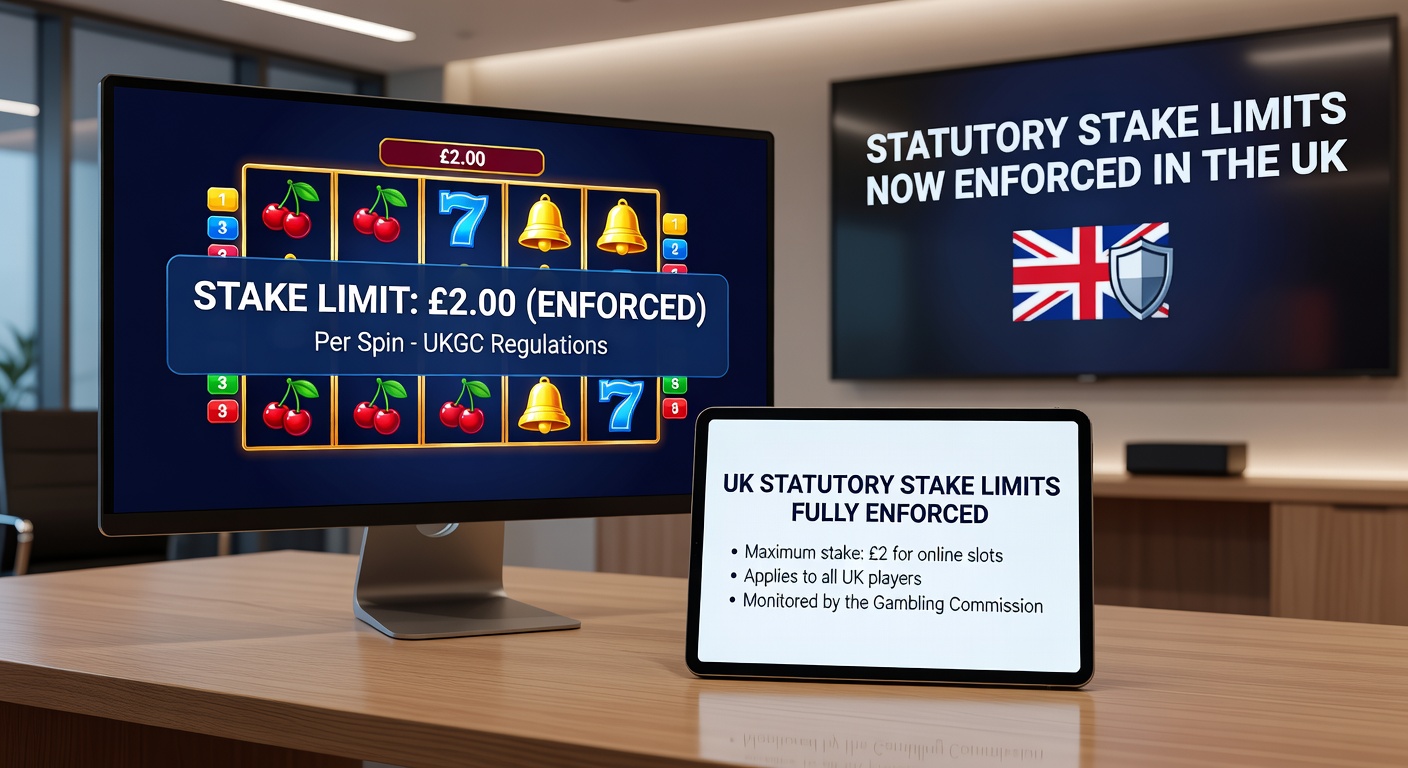
Those who monitor the sector point out that AGCs operate under strict licensing conditions that include age verification, stake limits on machines, and regular compliance checks, and figures from the past twelve months reveal that the 12 percent reduction in venue numbers has coincided with rising operational costs and tighter planning restrictions in several regions.
Statements from Bacta Leadership
Cullis argued that public statements from the Prime Minister overlook the regulated nature of these venues and the contribution they make to the economy through employment and tax revenue, while data compiled by Bacta shows that many remaining centres have invested in modern machines that meet current technical standards set by testing laboratories.
Industry representatives have compiled evidence that demonstrates how AGCs differ from unlicensed or online alternatives in terms of player protection measures, and the organisation has called for policy discussions to rely on verified statistics rather than generalised claims about the sector.
Impact on High Street Locations
Venues affected by the proposed rule changes operate in high streets across England, Scotland, and Wales, and operators have reported that planning decisions already favour refusal in many cases even when applications meet all licensing criteria, which has contributed to the recorded decline, and analysts tracking footfall data note that surviving centres often serve as community hubs for older adults who prefer supervised environments over remote play.
Records from local authority meetings indicate that the removal of the "Aim to Permit" rule could shift the burden of proof onto applicants, requiring them to demonstrate positive benefits before approval, whereas current guidance directs councils to start from a position of permission unless specific harms are proven, and Bacta has submitted detailed responses to consultation documents outlining these distinctions.
Broader Regulatory Landscape
Officials have linked the review of high street measures to wider efforts aimed at modernising gambling legislation, and the timing of the announcement has drawn responses from trade groups that represent both machine suppliers and venue operators, while data released in recent weeks shows machine usage in AGCs remains within permitted parameters and generates steady contributions to public finances through machine games duty.
Experts from European regulatory bodies such as the European Gaming and Betting Association have published comparative studies on venue-based gambling that highlight differences between UK practices and approaches taken in other member states, and these reports provide context for how changes to permitting rules might align or diverge from established models elsewhere.
Responses and Next Steps
Bacta has scheduled further meetings with policymakers to present additional venue-level data, and Cullis has invited government representatives to visit operational centres so they can observe compliance procedures firsthand, while the organisation continues to compile case studies from locations that have closed in the past year to illustrate the cumulative effect of regulatory and economic pressures.
Those following the debate note that the 12 percent decline figure comes from a survey of Bacta members conducted over the previous twelve months, and the results have been shared with relevant departments alongside requests for impact assessments before any final decisions on the "Aim to Permit" rule are taken.
Conclusion
The intervention by Bacta leadership occurs against a backdrop of ongoing consultations on high street gambling rules, and the organisation maintains that accurate representation of regulated AGCs requires attention to both the documented decline in venue numbers and the existing safeguards that govern machine operation, while further statements from the sector are expected as discussions continue into the coming months.