Behavioral Shifts in Multiplier Engagement for Tumble Games on Mobile Platforms
Casey Walter · Aug 24, 2026
Behavioral Shifts in Multiplier Engagement for Tumble Games on Mobile Platforms
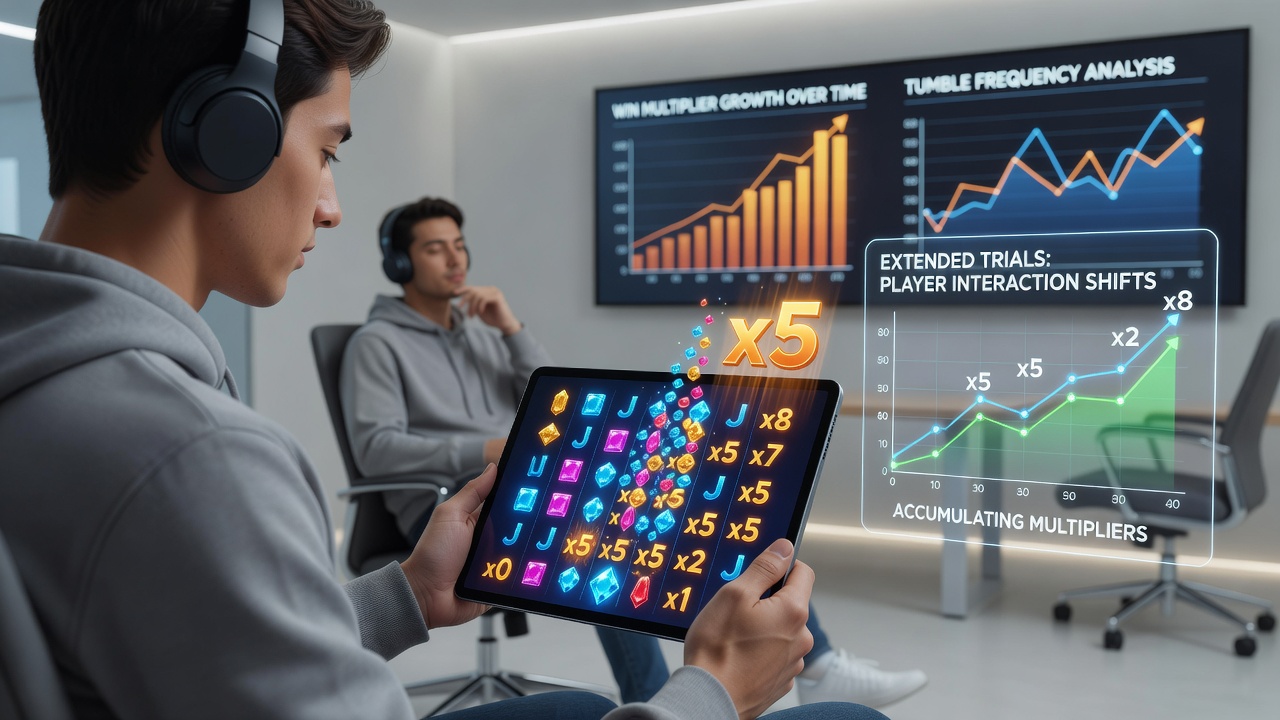
Players on portable devices have shown measurable changes in how they respond to growing win multipliers across extended sessions of tumble-enabled games, where cascading reels trigger repeated wins while multipliers build with each successive tumble. Data from industry monitoring tools indicate that session lengths have lengthened in recent years, with users pausing more frequently to review multiplier values before continuing play, and this pattern emerged clearly in reports covering activity through August 2026. Observers note that interaction logs reveal fewer impulsive spins once multipliers reach mid-range thresholds, suggesting a deliberate pacing that contrasts with shorter desktop sessions observed in earlier datasets.
Mechanics of Accumulating Multipliers in Cascade Systems
Tumble features operate by removing winning symbols and allowing new ones to drop into place, and when multipliers activate they often increase by fixed increments with every consecutive cascade. Researchers tracking mobile telemetry have documented that players adjust bet sizes downward after multipliers exceed certain levels, a shift that appears in aggregated session data from multiple operators. This adjustment occurs while the game state continues to evolve, and studies indicate the behavior correlates with longer overall play durations rather than abrupt stops. Portable hardware constraints, such as smaller touch interfaces and variable network conditions, contribute to these pacing changes, as users sometimes wait for animations to complete before committing the next action.
Observed Interaction Patterns Across Extended Trials
Extended trials lasting beyond thirty minutes reveal distinct phases where attention to multiplier displays intensifies. Early in sessions, rapid successive tumbles receive quick taps to restart spins, yet once multipliers climb past five times or higher, dwell times on result screens increase measurably. Figures from a University of Nevada gaming research paper show this transition happening consistently across tested titles, with touch heatmaps indicating more precise finger placements on multiplier indicators themselves. And while initial spins often proceed at higher speeds, later cascades prompt users to rotate devices for better visibility, a habit documented in both iOS and Android usage logs.
Device-Specific Factors Influencing Engagement
Screen size and refresh rates on portable platforms affect how clearly accumulating multipliers register during fast cascades. Higher-resolution handsets display incremental changes without lag, and telemetry from those devices records steadier multiplier-chasing behavior compared with older models where visual updates stutter. Battery and thermal throttling also play roles, prompting some players to reduce session intensity after multipliers have built for several minutes. A report issued by the New Jersey Division of Gaming Enforcement highlights similar device-driven variations in mobile gambling patterns, noting that interaction frequency drops when performance metrics decline.
Data Trends from Mobile Gaming Studies
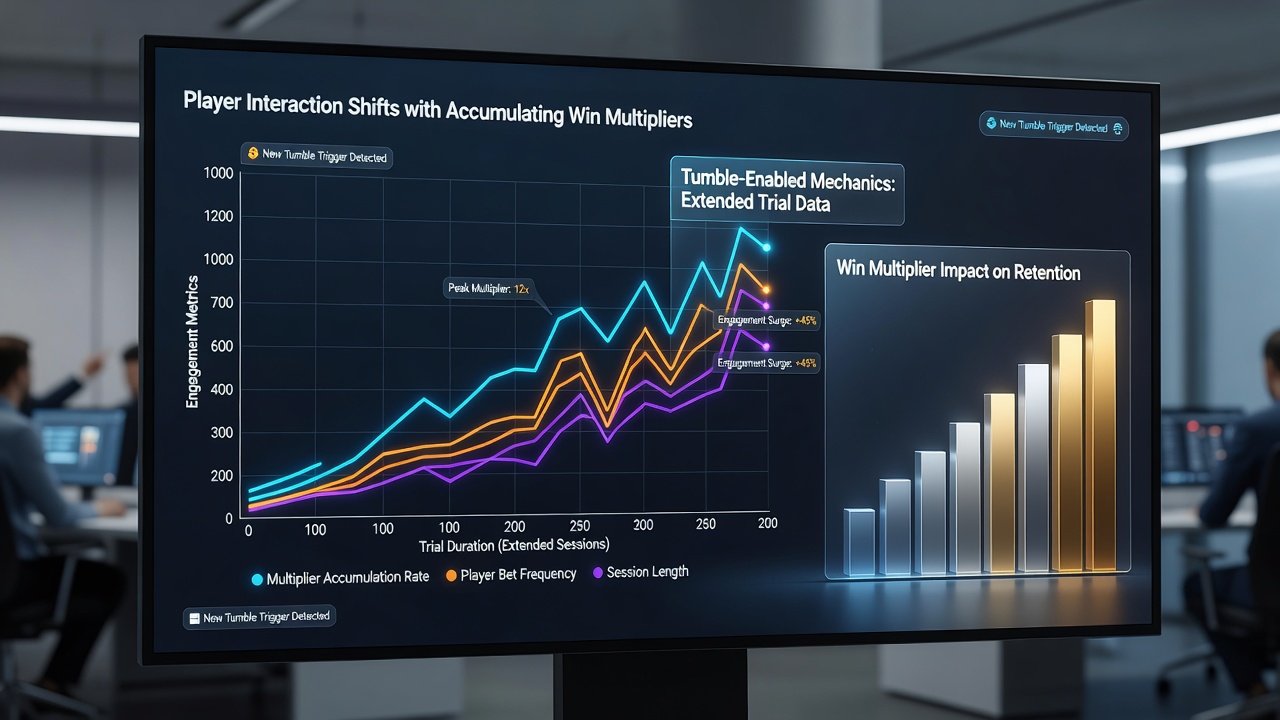
Aggregated analytics from multiple markets show that multiplier awareness rises steadily between the tenth and twenty-fifth minute of continuous play. Users begin to skip optional bonus activations when multipliers sit at lower values, reserving engagement for later stages where accumulated values promise greater returns. This selective approach appears in clickstream records and aligns with findings from an academic review conducted by the International Gaming Institute, which examined thousands of mobile sessions across different regions. The review further notes that notification interruptions on portable devices coincide with temporary drops in multiplier-focused actions, after which players often resume at adjusted speeds.
Regional Variations in Player Responses
Patterns differ by geographic user base, with some markets displaying quicker adaptation to high multipliers and others maintaining consistent spin rates throughout. European mobile cohorts, for instance, exhibit more frequent screen rotations to track multiplier growth, while North American sessions feature steadier bet sizing regardless of multiplier stage. These differences emerge from comparative datasets compiled by regional gaming associations and underscore how hardware familiarity and network stability shape interaction styles during prolonged tumble sequences.
Conclusion
Shifts in player interaction with accumulating win multipliers during extended mobile tumble sessions reflect a combination of mechanical visibility, device performance, and session duration. Tracking data through August 2026 confirms that users refine their pacing and decision points as multipliers build, creating measurable deviations from early-session behavior. Continued monitoring across diverse platforms will clarify how these patterns evolve alongside hardware improvements and regulatory updates in various jurisdictions.