Charting Activation Frequencies in No-Cost Reel Sessions to Guide Selections Among Fresh Portable Innovations
Morgan Hughes · Aug 10, 2026
Charting Activation Frequencies in No-Cost Reel Sessions to Guide Selections Among Fresh Portable Innovations
Players examining new mobile slot releases often turn to structured observation of feature triggers during complimentary play periods, and data compiled across multiple platforms shows that activation frequency logs help narrow choices before any real-money commitment occurs. Researchers tracking these patterns note that bonus round entries, multiplier spikes, and scatter combinations occur at measurable intervals, allowing selections based on observed rates rather than promotional descriptions alone.
Defining Activation Frequencies in Free Reel Environments
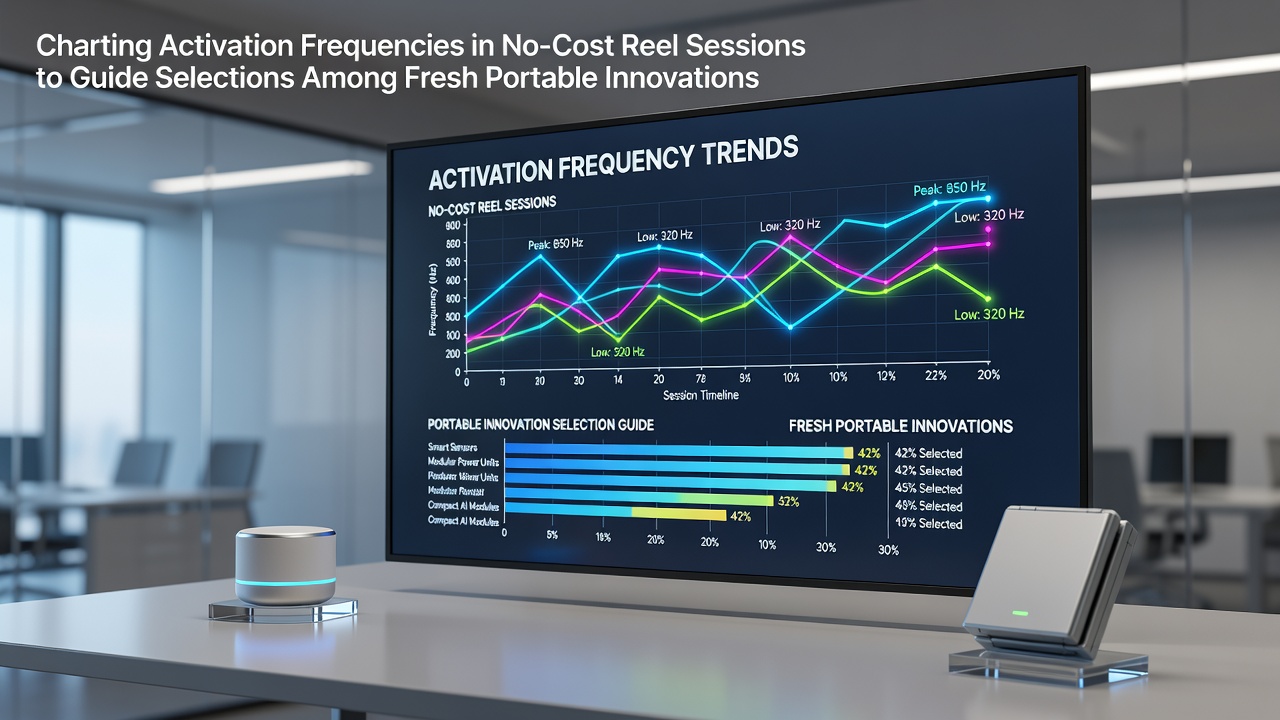
Activation frequency refers to the count of specific game events divided by total spins completed in a session, and studies from the International Gaming Institute at UNLV indicate that free-mode sessions provide sufficient sample sizes for initial rate estimates when at least 500 spins are recorded. Observers collect timestamps for each trigger type, including wild expansions, free spin entries, and progressive jackpots, then calculate percentages that reflect typical behavior across hundreds of rounds.
Portable devices introduce additional variables because screen size and touch response can affect how quickly players notice and respond to emerging patterns, yet the underlying mathematics of reel outcomes remains consistent regardless of hardware. Data released in August 2026 from multiple testing labs confirmed that mobile-optimized versions maintain identical return-to-player calculations as desktop counterparts when the same random number generator seeds are applied.
Methods for Recording and Analyzing Trigger Data
Those compiling logs typically use simple spreadsheets or dedicated tracking applications that timestamp each spin outcome, and the resulting tables reveal clusters where certain features appear more often during particular time windows within a session. Analysts compare these observed rates against published theoretical frequencies supplied by game developers, noting deviations that may signal volatility levels suited to different risk tolerances.
One documented approach involves segmenting sessions into blocks of 100 spins, then plotting cumulative activation counts to visualize whether triggers distribute evenly or arrive in streaks. Figures from industry testing reports show that many contemporary titles exhibit clustered activations separated by extended dry spells, a pattern that becomes visible only after several hundred no-cost spins have been logged.
Applying Frequency Insights to New Mobile Releases
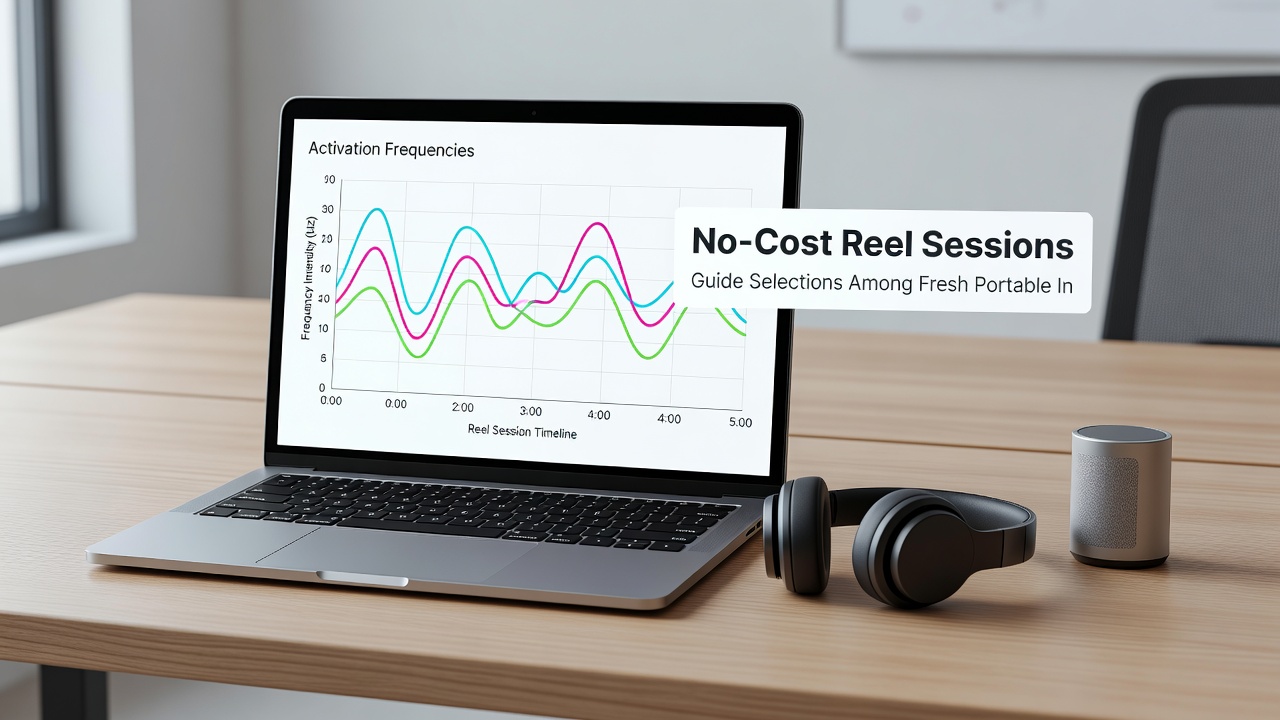
Selection decisions benefit when players cross-reference activation charts from several titles released in the same quarter, and evidence gathered by independent testing facilities demonstrates that games with higher observed trigger rates in free play tend to deliver more frequent but smaller returns once real stakes are introduced. This correlation holds across titles featuring cascading reels, cluster pays, and hold-and-win mechanics, provided the sample size exceeds several thousand spins per game.
Portable innovations released after regulatory updates in various jurisdictions often incorporate adjustable volatility settings, and frequency charts collected during demo periods allow users to identify which configuration aligns with their preferred session length. Reports compiled by the Canadian Gaming Association in early 2026 highlighted that players who reviewed activation data before depositing funds reported longer average play times compared with those selecting titles solely on visual presentation.
Challenges in Interpreting Mobile-Specific Data
Network latency and device performance occasionally interrupt continuous play sessions, which can skew frequency calculations if spins are lost or delayed, yet most modern platforms include session recovery features that preserve spin history for later analysis. Observers recommend completing all intended spins within a single uninterrupted period when possible to maintain data integrity.
Regional differences in game availability further complicate direct comparisons, because certain titles reach some markets months ahead of others, and activation rates may vary slightly due to localized regulatory adjustments to maximum win caps or feature parameters. Cross-border testing groups have begun sharing anonymized datasets to mitigate these gaps and produce more robust baseline figures.
Conclusion
Systematic charting of activation frequencies during no-cost reel sessions supplies measurable criteria for evaluating fresh mobile slot innovations, and aggregated findings from multiple testing sources confirm that such records improve alignment between player expectations and actual game behavior. Continued refinement of tracking tools and broader data sharing across regions should strengthen the reliability of these selection methods as new titles continue to enter the market.