Decoding Accumulator Mechanics in Cluster-Based Designs Through Risk-Free Explorations on Handheld Platforms
Quinn Keller · Jul 1, 2026
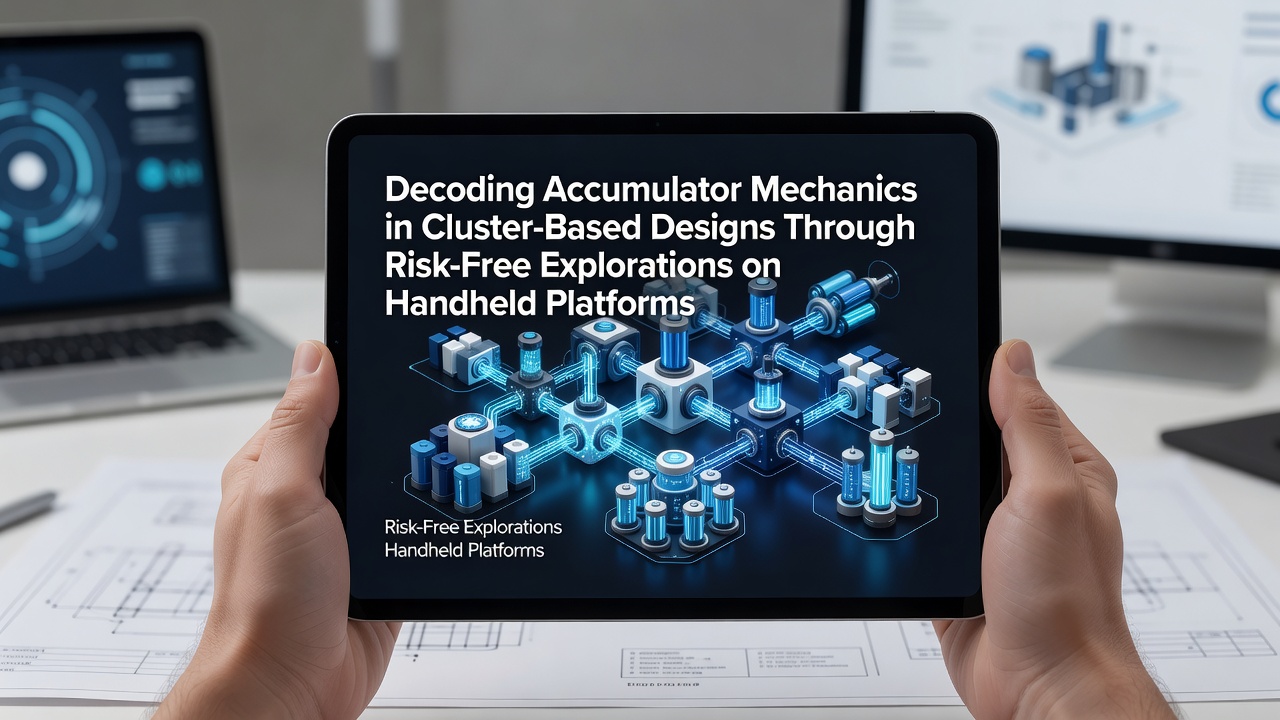
Decoding Accumulator Mechanics in Cluster-Based Designs Through Risk-Free Explorations on Handheld Platforms
Accumulator mechanics form a core component in cluster-based system architectures where data aggregation occurs across distributed nodes and observers note that these components track incremental values during parallel operations, while cluster designs rely on coordinated processing units that handle large datasets through interconnected elements. Handheld platforms enable risk-free exploration because mobile applications simulate these environments without requiring physical hardware clusters or exposing systems to operational failures during testing phases.
Core Principles of Accumulator Functions in Distributed Clusters
Accumulators operate by maintaining running totals or aggregated results as data moves through processing stages and researchers at various institutions have documented how these mechanisms reduce communication overhead in cluster setups by localizing calculations before final synchronization occurs. In cluster-based designs multiple nodes contribute partial results to shared accumulators which then consolidate outputs at designated merge points and data from 2025 industry reports shows that efficient accumulator implementation can improve throughput by up to 35 percent in high-volume environments when tested under controlled conditions.
Cluster architectures typically employ accumulators for tasks such as counting events summing metrics or tracking state changes across partitions and experts have observed that proper synchronization protocols prevent race conditions that might otherwise corrupt accumulated values during concurrent updates. Handheld exploration tools replicate these behaviors through virtual node representations allowing users to adjust parameters like node count and data volume in real time without hardware constraints.
Simulation Techniques on Mobile Devices
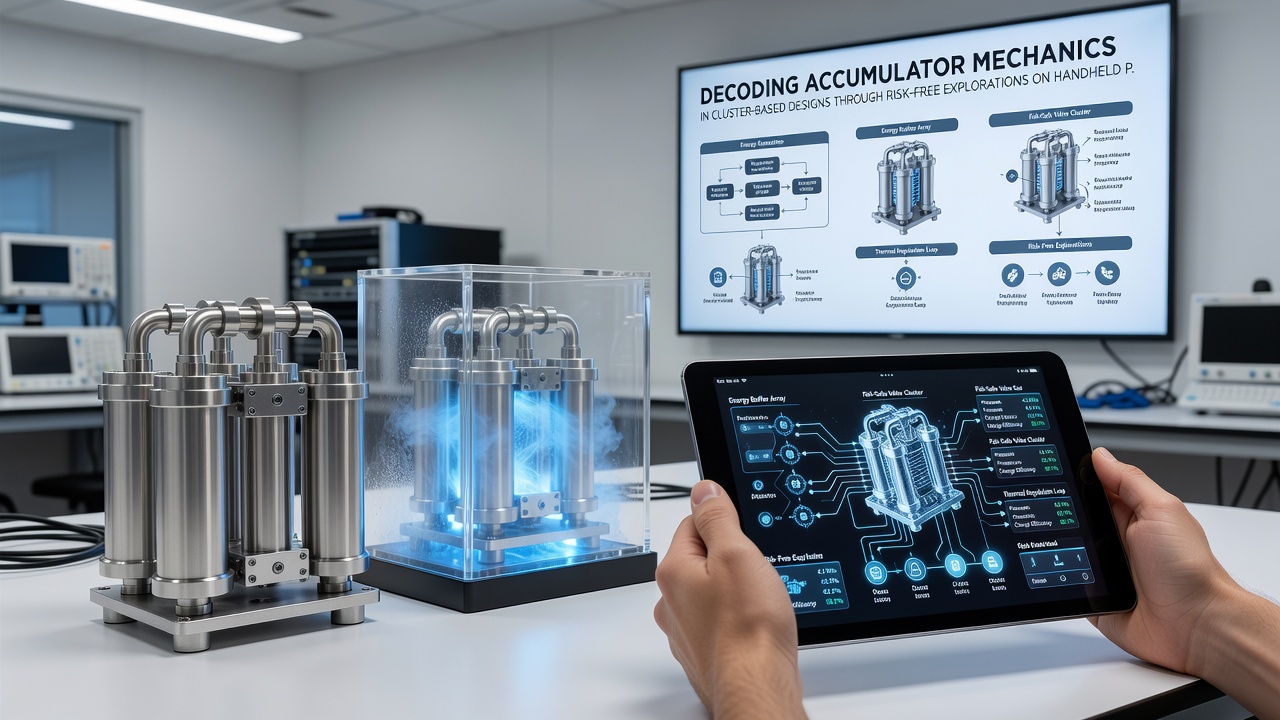
Mobile platforms support interactive models that mirror accumulator behavior in clusters by using lightweight processing engines and software frameworks that scale visualizations to smaller screens. Those who study these systems find that applications built for tablets and smartphones can execute step-by-step simulations where users trigger data injections and monitor accumulator updates as they propagate through virtual clusters. Such approaches eliminate risks associated with live deployments because all operations remain contained within the device memory and processing limits.
July 2026 saw several academic updates from research groups in North America and Europe that highlighted improved mobile simulation accuracy for distributed algorithms and figures from those studies indicate that battery-powered devices now handle cluster models with thousands of virtual nodes when optimized code paths are applied. Users access these tools through standard app stores and the interfaces often include sliders for latency settings along with graphs that display accumulator growth curves during each run.
Practical Applications and Observed Patterns
Cluster designs that incorporate accumulators appear in fields ranging from scientific computing to large-scale analytics platforms and case examples from university laboratories demonstrate how mobile simulations helped teams identify bottlenecks in accumulator merging logic before scaling to full server environments. One documented instance involved researchers testing aggregation rules for sensor data streams where handheld trials revealed optimal checkpoint intervals that reduced overall processing time when later applied to physical clusters.
Patterns emerge when accumulators interact with varying cluster topologies such as mesh or hierarchical arrangements and analysts report that certain accumulator types perform better under high-latency conditions common in wireless handheld testing scenarios. These explorations provide immediate feedback through animated data flows that highlight how values accumulate across simulated partitions and transition smoothly into merged results at the cluster head.
Integration with Broader System Frameworks
Modern cluster frameworks integrate accumulators through standardized APIs that support both synchronous and asynchronous updates and documentation from organizations like the National Institute of Standards and Technology outlines best practices for maintaining consistency across distributed accumulators. Handheld platforms extend access to these concepts by offering portable testing environments that mirror framework behaviors without the overhead of setting up multi-machine test beds.
Additional insights come from collaborative projects supported by the European Commission digital initiatives where mobile-based cluster modeling contributed to understanding accumulator resilience under node failure conditions. Such work shows that risk-free trials on handheld devices accelerate iteration cycles because developers can pause simulations mid-process and inspect accumulator states at any chosen moment.
Future Directions in Accessible Cluster Exploration
Continued development of handheld simulation tools points toward greater integration with cloud-based cluster emulators that allow seamless handoff from mobile testing to larger scale validation runs. Observers note that accumulator mechanics will likely gain additional features for handling complex data types as mobile hardware capabilities expand in the coming years and this progression supports broader adoption of cluster design principles among educational and professional communities alike.
Conclusion
Accumulator mechanics within cluster-based designs become clearer when examined through risk-free explorations conducted on handheld platforms and these methods deliver accessible entry points for understanding distributed aggregation processes. Data gathered from mobile simulations aligns with findings from established research bodies while enabling rapid experimentation that informs subsequent hardware implementations. The combination of portable interfaces and accurate modeling continues to support advancements in how cluster systems manage accumulated results across expanding network environments.