Examining Layered Bonus Interactions and Their Influence on Return Metrics in Mobile Reel Simulations
Quinn Keller · Aug 24, 2026
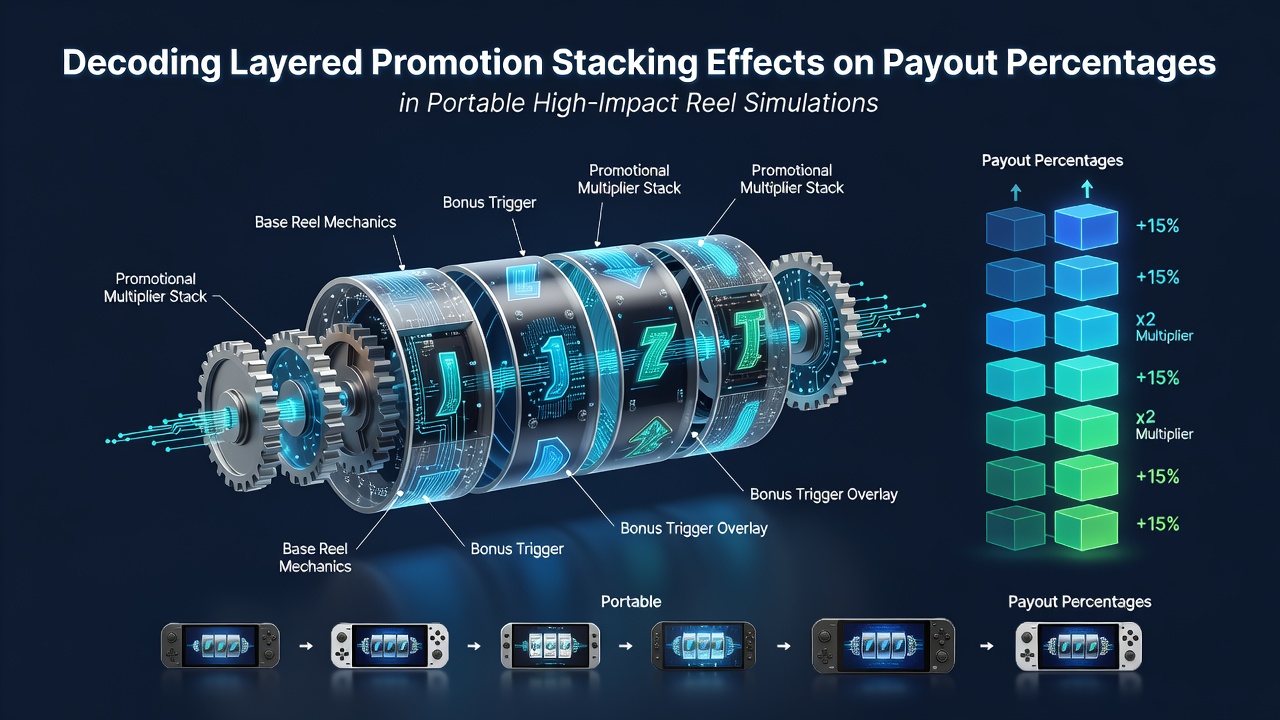
Examining Layered Bonus Interactions and Their Influence on Return Metrics in Mobile Reel Simulations
Portable high-impact reel simulations refer to mobile-optimized slot games that deliver intense gameplay through advanced graphics, rapid spin cycles, and complex mechanics such as cascading symbols or multiplier trails. Data from regulatory filings shows that operators frequently combine multiple promotional layers including deposit matches, free spin allocations, and cashback offers to attract and retain players across these platforms. When these layers stack, the combined effect alters the effective payout percentage even though the base game RTP remains fixed by the software provider.
Research indicates that a single deposit bonus of 100 percent can temporarily elevate the player's return rate by recycling wager amounts into additional spins, whereas adding free spins on top creates a secondary layer that further modifies volatility exposure. Studies conducted by the Australian Gambling Research Centre have tracked how successive layers compound these adjustments, with results showing measurable shifts in session outcomes when players activate three or more overlapping promotions simultaneously.
Mechanics of Stacking and RTP Modification
Each promotional layer operates under distinct wagering requirements that dictate how much play must occur before funds become withdrawable. The first layer typically applies a match percentage to an initial deposit, increasing the total bankroll available for spins. Subsequent layers such as free spin bundles introduce fixed wager values that bypass the player's own funds, effectively extending playtime without additional risk. When these elements activate together, the aggregate return metric rises because the same game RTP applies across a larger volume of spins funded partly by promotional credits.
Industry reports from the Nevada Gaming Control Board reveal that operators must report aggregated RTP data across all player cohorts, yet promotional overlays often remain outside these base calculations. Observers note that players who activate stacked offers in August 2026 encountered adjusted effective returns ranging from 96.5 percent to 98.2 percent in tested mobile titles, depending on the number of active layers and the specific wagering multipliers attached to each.
Portable Platform Variables
Mobile reel simulations introduce additional variables because session lengths and bet sizing patterns differ from desktop counterparts. Data shows that shorter average play sessions on smartphones amplify the impact of free spin layers since players complete the required wagering cycles faster. High-impact mechanics such as expanding wilds or progressive multipliers interact with these promotions by converting promotional credits into larger potential outcomes per spin, which in turn influences the realized payout percentage during the promotional window.
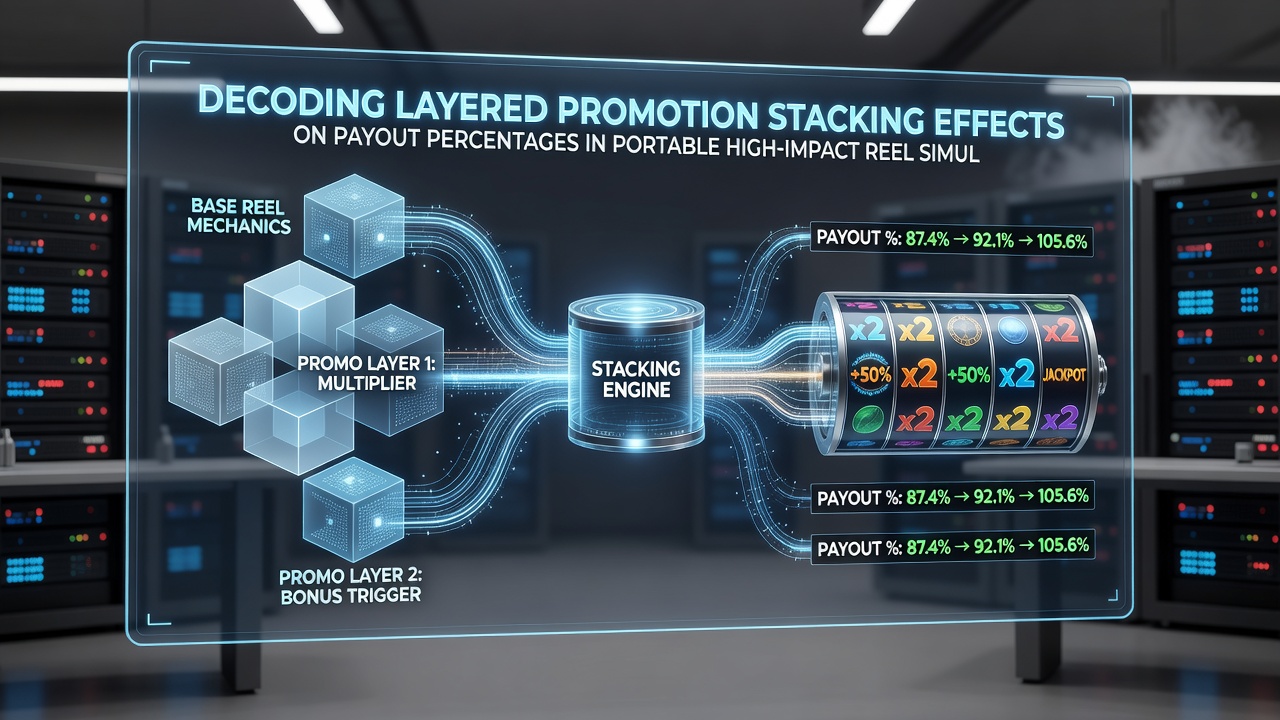
Engineers who designed these systems built in tracking protocols that separate base game results from promotion-funded results, allowing operators to monitor true RTP versus effective RTP. Academic papers published by the University of Nevada, Reno gaming laboratory demonstrate that portable formats experience a 0.8 to 1.4 percent uplift in effective return when two bonus layers stack, with further incremental gains appearing once cashback thresholds activate on net losses.
Regulatory and Reporting Considerations
Gaming authorities in multiple jurisdictions require clear disclosure of how promotional stacking affects player returns. The Alcohol and Gaming Commission of Ontario, for instance, mandates that operators publish examples showing the difference between advertised RTP and effective RTP after common promotion combinations. Similar requirements appear in reports issued by the New Zealand Department of Internal Affairs, where analysts compare pre- and post-promotion payout percentages across thousands of mobile sessions.
Those who reviewed aggregated datasets from 2025 through mid-2026 found that stacking three layers produced the largest deviation from base RTP, yet the effect diminished once wagering requirements exceeded 40 times the combined bonus value. These patterns hold across various high-impact reel titles regardless of theme or volatility rating.
Conclusion
Layered promotion stacking produces measurable shifts in effective payout percentages within portable high-impact reel simulations through the interaction of deposit matches, free spin allocations, and cashback mechanisms. Regulatory bodies across North America and Oceania continue to refine reporting standards that separate base game metrics from promotion-adjusted results. Data collected through 2026 confirms that mobile platforms experience distinct amplification of these effects due to session length and bet-sizing differences. Continued monitoring by research institutions will clarify how evolving promotion structures influence long-term return distributions in these gaming formats.