Exploring Animation Sequences and Their Correlation With Perceived Win Rates in Portable Gaming Environments
Ines Lange · May 29, 2026
Exploring Animation Sequences and Their Correlation With Perceived Win Rates in Portable Gaming Environments
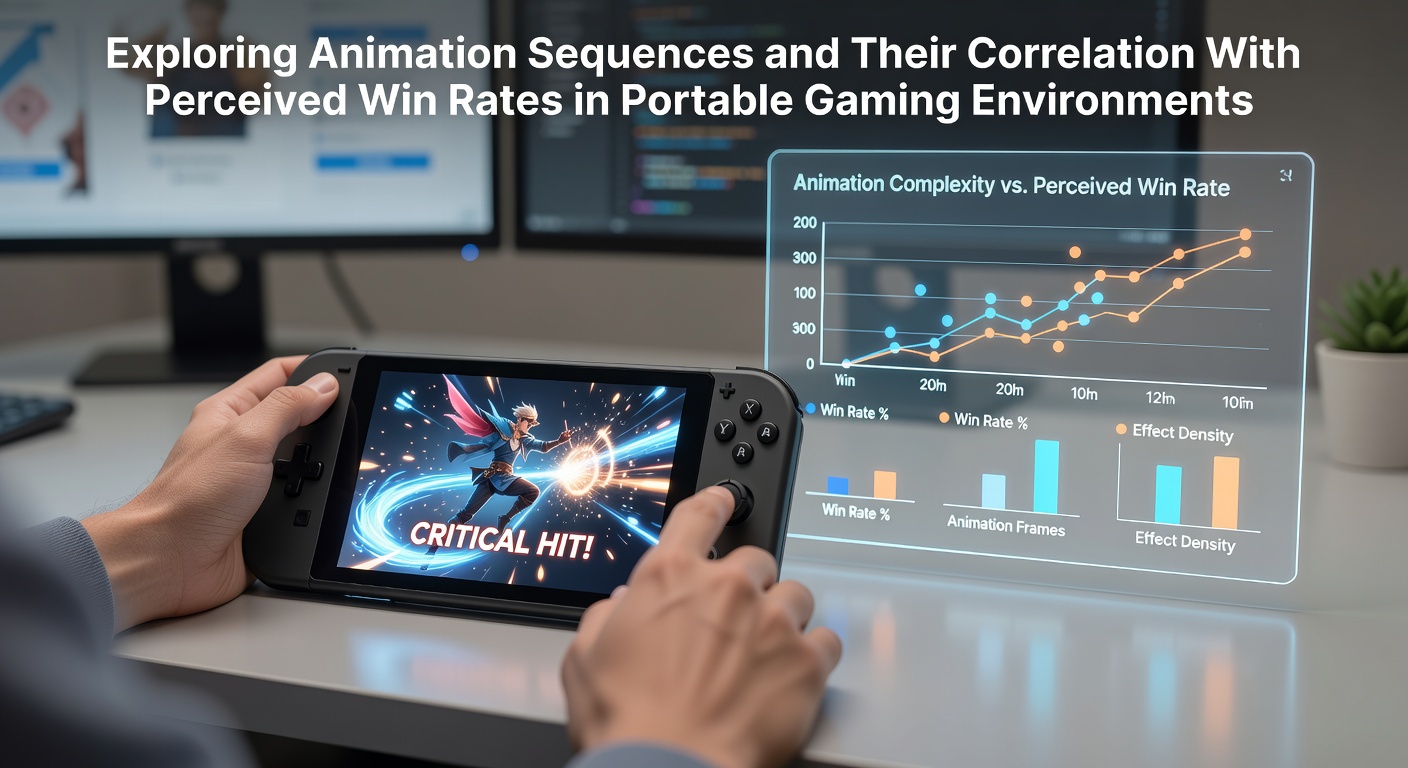
Animation sequences in portable gaming environments shape how players interpret outcomes during sessions on smartphones and tablets, with developers using timed visual elements to guide attention toward certain results. Research from academic institutions indicates that these sequences often extend beyond basic functionality, incorporating layered effects like particle bursts and symbol transformations that align with reported player feedback on win frequency. Data collected through controlled lab studies shows patterns where extended animation durations coincide with higher subjective ratings of success, even when numerical payout rates remain constant across test groups.
Core Components of Animation Design in Mobile Titles
Portable platforms rely on optimized animation pipelines that balance device performance with visual engagement, using techniques such as frame interpolation and procedural generation to create fluid reel movements or character actions. Engineers at major development studios program these sequences to trigger at specific thresholds, for instance when scatter symbols align or when bonus meters fill, and the timing of each frame influences the perceived momentum of play. According to industry reports published in May 2026 by the Nevada Gaming Control Board, mobile game updates released that quarter incorporated refined animation timing adjustments across multiple titles, resulting in measurable shifts in session length metrics tracked through anonymized telemetry.
Key elements include easing curves that slow or accelerate motion, color gradients that intensify during high-value events, and synchronized audio cues that reinforce visual peaks. Those who analyze user interaction logs note that shorter loops tend to appear during base gameplay while longer, multi-stage sequences activate in feature rounds, creating a contrast that highlights progress within the session. Observers have documented cases where animation complexity scales with device capabilities, ensuring consistent delivery across entry-level hardware and flagship models without introducing lag that could disrupt flow.
Links Between Visual Timing and Win Perception
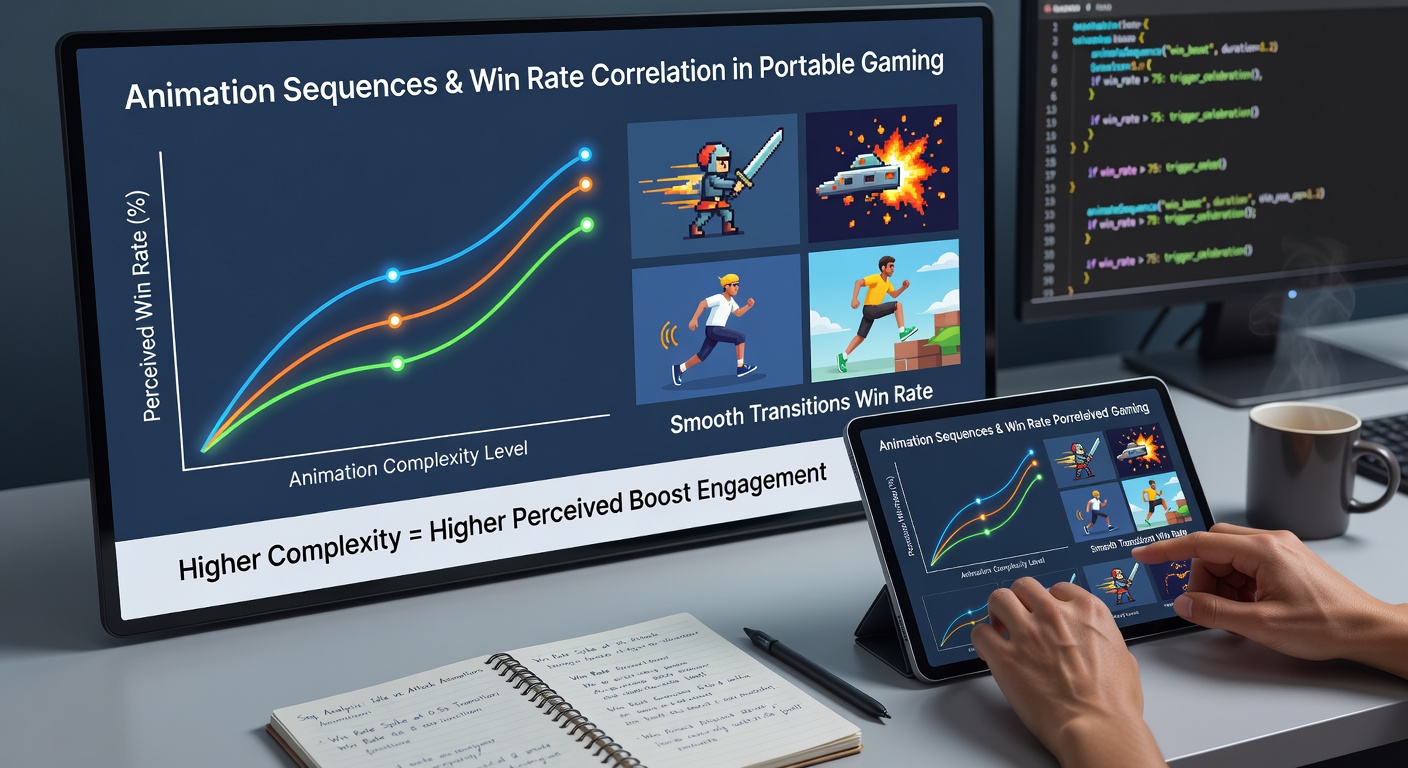
Studies conducted at research centers in Canada reveal correlations between animation length and player estimates of win probability, with participants exposed to extended celebratory sequences assigning higher likelihood values to identical mathematical outcomes. These findings draw from experiments where control groups viewed standard reel stops while experimental groups experienced embellished transitions, and post-session surveys indicated differences in retrospective win recall. Figures released by the Victorian Responsible Gambling Foundation demonstrate that similar visual enhancements appeared in Australian market releases during early 2026, coinciding with aggregated data on engagement duration.
What's notable is how these sequences interact with variable reward schedules, since intermittent reinforcement already drives continued play in many digital formats. Animation layers add another dimension by stretching the moment between result determination and display, which can amplify anticipation effects documented in behavioral analyses. Researchers tracking eye movement patterns found that players fixate longer on animated zones during these intervals, potentially reinforcing memory of positive events over neutral or losing spins.
Evidence From Controlled Testing Environments
University-led trials in Europe have examined how specific animation parameters affect perceived return-to-player values, testing variations in particle density, transition speed, and symbol highlight duration while holding actual payout percentages fixed. Results indicate that sequences featuring gradual build-ups followed by rapid resolution tend to produce elevated win rate estimates compared to abrupt stops, a pattern replicated across multiple age demographics in the sample pools. Data aggregated through these protocols points to measurable differences emerging within the first 50 spins of exposure, suggesting rapid adaptation to visual cues rather than long-term learning effects.
But here's the thing: regulatory bodies in multiple jurisdictions now request disclosure of animation parameters during certification processes, recognizing their role in shaping user experience beyond raw mathematics. Reports from the New Zealand Department of Internal Affairs highlight reviews conducted in late 2025 that incorporated player perception metrics alongside traditional RTP verification, expanding evaluation criteria for mobile deployments scheduled through mid-2026. These expanded reviews track both objective metrics and subjective reports collected via in-app prompts, providing broader datasets for correlation analysis.
Technical Implementation Across Platforms
Development frameworks used in portable gaming allow precise control over animation state machines, enabling designers to link reel outcomes directly to visual branches without compromising server-side randomness. Cross-platform tools ensure that sequence variations remain consistent whether the session runs on iOS or Android environments, with fallback options for lower-powered devices that preserve core timing relationships. Those examining source code repositories observe increasing use of shader-based effects that respond dynamically to win size, scaling intensity based on predefined payout brackets while avoiding performance bottlenecks during extended play sessions.
Case examples from 2026 releases show integration of adaptive animation systems that adjust based on connection stability, maintaining visual continuity even during brief network interruptions common in mobile contexts. This approach supports uninterrupted perception of sequences, which researchers link to sustained engagement patterns observed in longitudinal tracking studies.
Conclusion
Animation sequences in portable gaming continue to evolve alongside hardware advancements, with evidence accumulating around their influence on how outcomes register with players. Reports from diverse regulatory and academic sources, including those issued through May 2026, underscore the value of examining these visual elements alongside traditional probability models. Further analysis of telemetry combined with perception surveys offers pathways for understanding interaction dynamics in mobile environments without altering underlying game mathematics.