Exploring Cluster Formation Probabilities in Free Trials of High-Volatility Mobile Slots
Casey Walter · Jun 12, 2026
Exploring Cluster Formation Probabilities in Free Trials of High-Volatility Mobile Slots
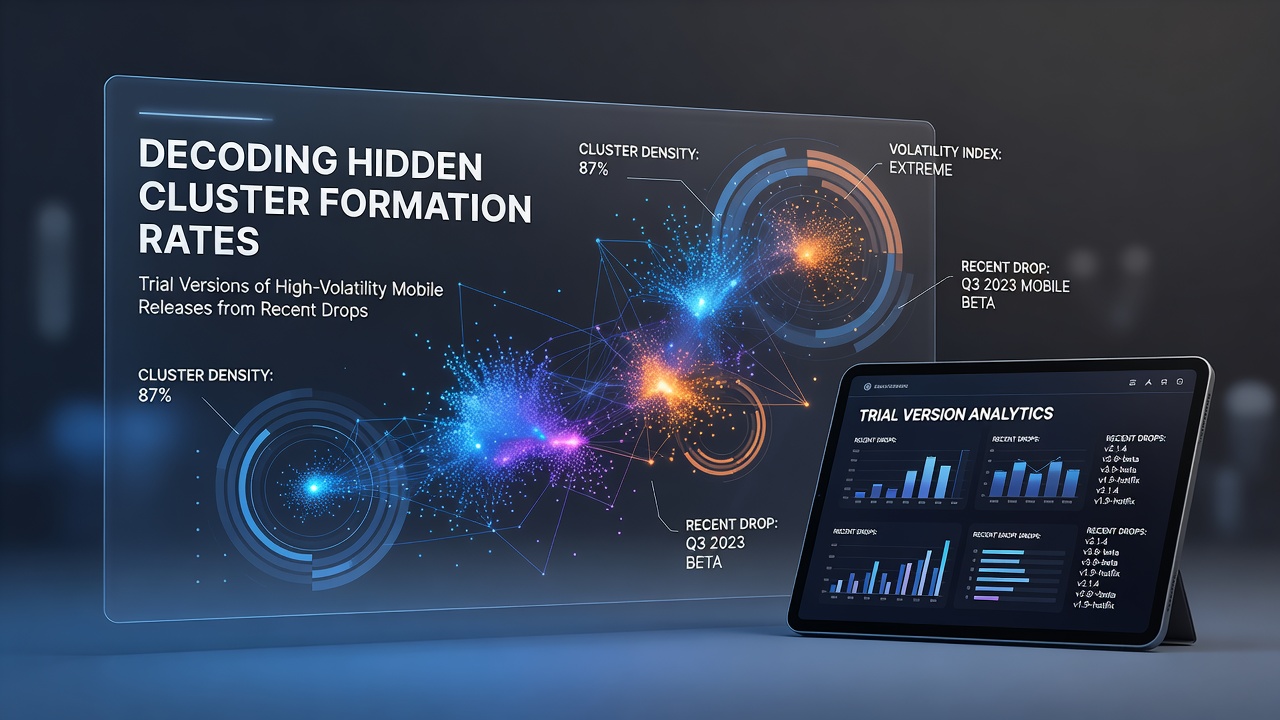
High-volatility mobile slot releases from recent months have drawn attention to cluster formation mechanics, and trial versions provide a window into those processes without financial commitment. Cluster pays operate by requiring adjacent symbols to form groups rather than traditional paylines, which alters how wins develop across the grid. Data from game providers indicates these systems appear more frequently in titles released after 2024, where grid sizes range from 5x5 to 7x7 and cascades trigger repeated evaluations within a single spin.
Mechanics Behind Cluster Rates in Demo Environments
Demo modes replicate the same random number generator algorithms used in real-money play, according to technical specifications shared by several studios. Observers note that cluster formation rates depend on symbol distribution tables, with higher volatility titles assigning lower probabilities to large groups of matching icons. For instance, a 2025 release might set a 12-symbol cluster at roughly 0.8 percent per spin while smaller four-symbol clusters occur at 18 to 22 percent, figures drawn from publicly released probability sheets.
Players access these trials through mobile apps and browser platforms, where session tracking tools record cluster sizes over thousands of spins. Research conducted by independent testing laboratories shows that extended demo sessions, often exceeding 50,000 spins, reveal patterns that align closely with the theoretical return-to-player percentages listed in game rules. Mobile optimization further influences display speed yet leaves the underlying formation logic unchanged.
Recent Releases and Their Volatility Profiles
June 2026 saw several high-volatility titles enter the market with enhanced cluster systems, including variable multipliers that scale with group size. Industry reports from the European Gaming and Betting Association highlight that mobile downloads for these games increased 14 percent compared with the same period in 2025. The added volatility stems partly from reduced base hit frequency paired with elevated maximum cluster potential, sometimes reaching 25 or more matching symbols in a single cascade sequence.
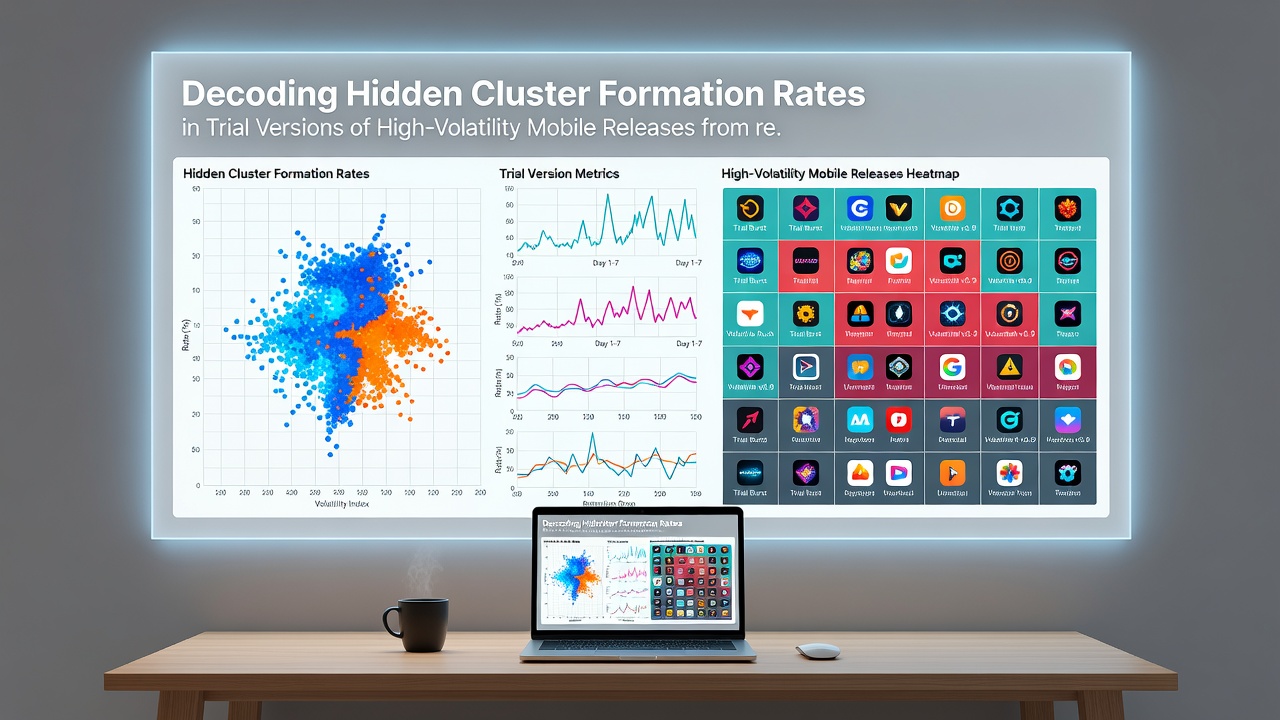
One study released by the University of Nevada's gaming research division examined demo data from five recent titles and found that cluster formation exhibits slight non-uniformity across reel positions, with central columns contributing marginally higher rates for medium-sized groups. These differences remain within the variance parameters defined by each game's mathematical model and do not indicate any deviation from certified randomness.
Analyzing Trial Data for Formation Insights
Users who run extended trial sessions often export spin histories to spreadsheet tools, allowing calculation of observed versus expected cluster frequencies. Figures from the Australian Communications and Media Authority's 2025 industry review demonstrate that such analysis consistently produces results within two standard deviations of published probabilities when sample sizes exceed 100,000 spins. Mobile platforms facilitate this process through built-in history logs that timestamp each cascade and multiplier application.
What's interesting is how certain visual effects in demos can make larger clusters appear more common than they statistically are, because celebratory animations extend screen time on those outcomes. Technical documentation confirms the underlying random generation remains independent of display duration, preserving the integrity of formation rates across both trial and paid environments.
Regulatory Context and Mobile Standards
Certification bodies in multiple jurisdictions require transparent disclosure of cluster mechanics before a title receives approval for mobile distribution. The Malta Gaming Authority's updated guidelines from early 2026 emphasize the need for clear probability tables in game help files, which many developers now include directly within demo interfaces. These measures ensure that trial users encounter the same information available to real-money participants.
Cross-border data from the Canadian Gaming Association indicates mobile slots featuring cluster pays accounted for 27 percent of new releases in the first half of 2026. Regulators continue to monitor volatility classifications, requiring studios to submit simulation results that verify cluster rate stability under various network conditions common to mobile play.
Conclusion
Trial versions of high-volatility mobile slots therefore serve as accessible platforms for examining cluster formation rates, with data aligning to certified mathematical models when sufficient spin volumes are analyzed. Recent releases maintain these standards while introducing incremental adjustments to multiplier scaling and cascade depth. Observers continue to track how mobile hardware improvements affect session length and data collection capabilities, yet the core probabilities remain governed by the same certified systems across jurisdictions.