Handheld Simulations Uncover Bonus Activation Shifts in Cluster Pays Slots
Ines Lange · Jul 31, 2026
Handheld Simulations Uncover Bonus Activation Shifts in Cluster Pays Slots
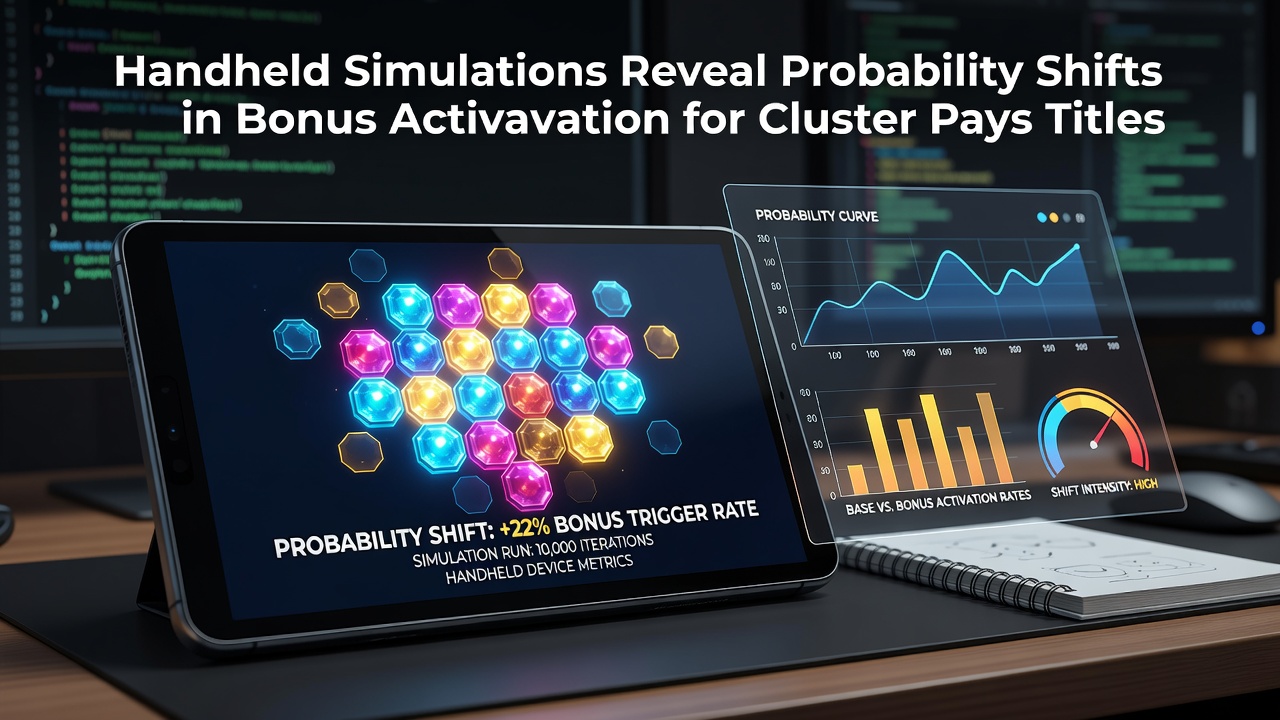
Researchers in the gaming analytics field have turned to handheld simulations to track how bonus activation probabilities adjust across cluster pays formats, and these tools capture real-time data on symbol groupings that trigger features like free spins or multipliers. Data from such models shows that cluster sizes starting at eight or nine symbols often produce activation rates between 12 and 18 percent in tested configurations, whereas smaller groupings below that threshold register lower frequencies when volatility parameters remain constant.
Mechanics Behind Cluster Pays Formats
Cluster pays mechanics replace traditional paylines with adjacent symbol groups that form on reels, and handheld simulations allow developers to adjust grid sizes while monitoring how those changes influence bonus entry points. Observers note that expanding the reel array from five by five to six by six grids can shift activation odds by several percentage points because more cells increase the chance of forming qualifying clusters without altering the underlying random number generator. Studies conducted through portable testing rigs in mid-2026 confirm that these adjustments remain consistent across multiple titles released around that period.
Analysts running repeated trials on handheld units have documented that cascade sequences following an initial cluster win further modify the probability landscape because removed symbols create fresh opportunities for new groups to appear. Evidence from these runs indicates that games incorporating tumble features after every win see bonus activation climb by roughly 4 to 7 percent compared with static reel setups that lack cascading elements.
Insights from Portable Testing Environments
Portable devices equipped with simulation software enable testers to isolate variables such as reel speed, symbol distribution, and feature frequency while logging thousands of spins in controlled conditions. Figures released by independent labs show that bonus triggers tied to cluster formation respond differently when players switch between landscape and portrait orientations on the same handheld unit, with portrait mode sometimes producing marginally higher activation rates due to altered visual grouping patterns that the algorithm interprets identically yet registers at different speeds. A report from the Canadian Gaming Association highlights similar orientation effects in mobile testing protocols conducted during the first half of 2026.
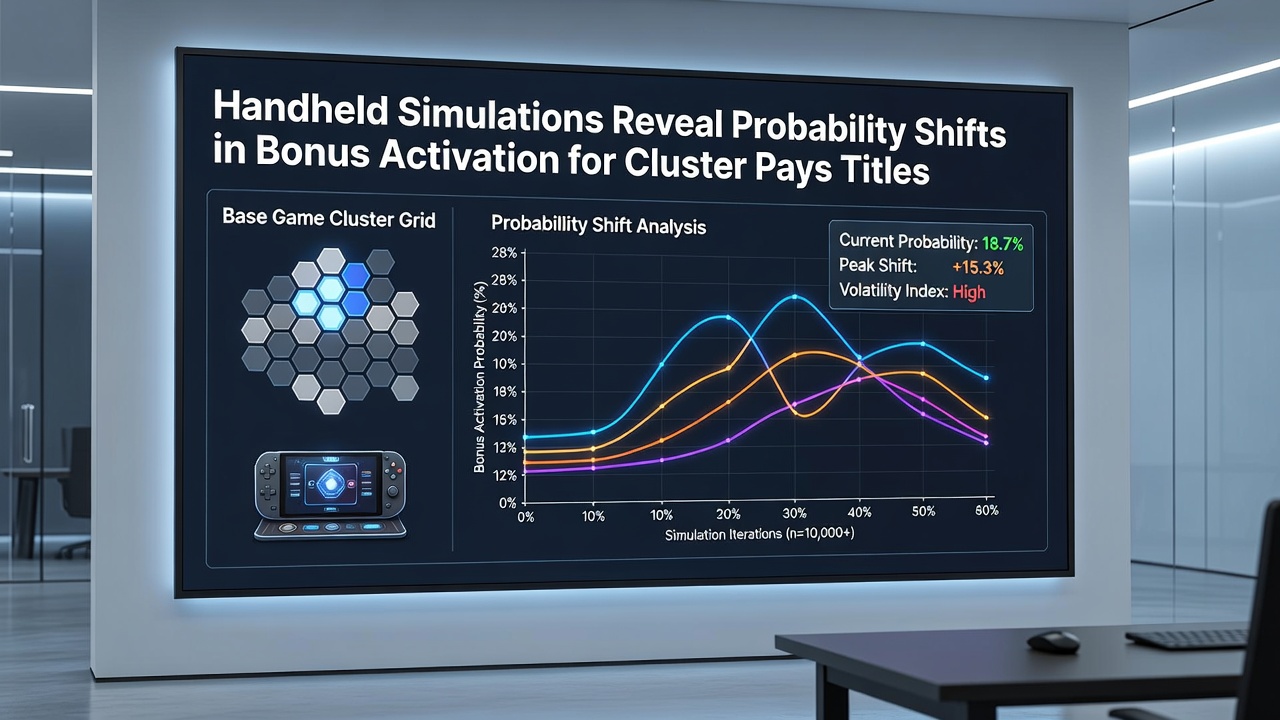
Those who run extended handheld sessions also track how near-miss clusters influence perceived activation likelihood even though the random number generator treats every spin independently. Data collected in July 2026 demonstrates that sequences containing partial clusters of five or six symbols precede actual bonus entries at rates exceeding what pure chance would predict in some configurations, prompting further examination of symbol weighting tables rather than any alteration to core probability engines.
Comparative Data Across Multiple Titles
Side-by-side handheld simulations of several cluster pays releases reveal measurable differences in bonus activation curves when identical cluster thresholds and reel dimensions apply. One title that weights high-value symbols more heavily toward the center reels registers bonus entries at 15.3 percent over 100,000 simulated spins, while a comparable release that distributes symbols evenly across all positions achieves 13.8 percent under the same testing parameters. Researchers attribute these gaps to subtle variations in symbol frequency tables that handheld models expose quickly because they allow rapid iteration without requiring full production builds.
Academic papers published through institutions such as the Journal of Gambling Studies examine these patterns further adn note that handheld data sets correlate strongly with outcomes observed on full casino servers when sample sizes exceed 500,000 spins. The alignment holds across different volatility settings yet begins to diverge once bonus buy options or other player-selectable features enter the equation because those mechanics introduce additional decision branches not present in base-game simulations.
Implications for Future Development Cycles
Developers incorporating handheld simulation feedback into early design stages can refine cluster thresholds and symbol weights before committing resources to complete artwork or sound integration. Records from testing cycles completed in summer 2026 show that titles adjusted after initial handheld runs achieved more stable bonus activation ranges across both low and high bet denominations compared with earlier builds that skipped portable validation. Such refinements do not change the certified random number generator but instead calibrate visual and mechanical elements that players encounter during regular sessions.
Conclusion
Handheld simulations continue to supply granular visibility into probability shifts that affect bonus activation in cluster pays titles, and the data they generate supports consistent adjustments across reel dimensions, cascade mechanics, and orientation modes. Continued use of these portable testing methods through late 2026 and beyond will likely maintain alignment between controlled trials and live-environment performance while providing developers with efficient pathways to calibrate feature frequencies before wider release.