How Random Drop Events Combine with Casino Promotions to Guide Approaches in High-Reward Slot Games
Morgan Hughes · May 27, 2026
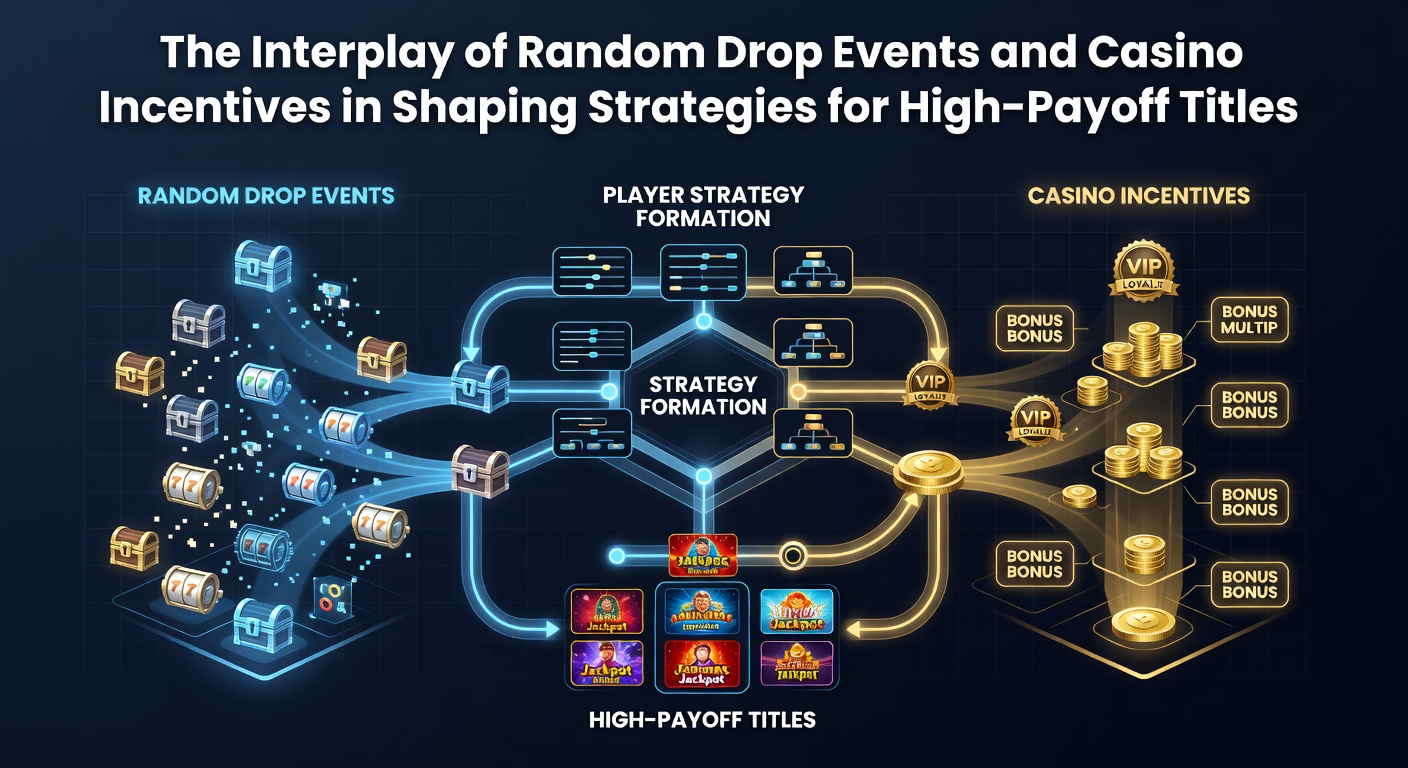
How Random Drop Events Combine with Casino Promotions to Guide Approaches in High-Reward Slot Games
Random drop events appear in many modern slot titles where jackpots or bonus rounds trigger without warning based on preset probability tables rather than fixed reel combinations, and these mechanics intersect directly with casino incentives such as deposit matches, free spin packages, and loyalty rewards that alter effective bet sizing and session length. Observers note that players adjust their bankroll allocation and game selection when both systems operate together because a random drop can multiply the value of an active bonus while an incentive can extend the number of spins available before a drop occurs.
Mechanics Behind Random Drop Systems
Developers program random drop features through independent random number generators that select outcomes at set intervals or after cumulative wagers reach thresholds, which means the events remain independent of standard payline or cluster results. Data from regulatory testing laboratories shows that such features maintain advertised return-to-player percentages because the drop probabilities integrate into the overall math model rather than functioning as separate overlays. Those who study session logs find that high-payoff titles incorporating drops often display elevated volatility readings since a single trigger can deliver multipliers or progressive accumulations that exceed base game averages by several orders of magnitude.
Casino Incentive Structures and Their Reach
Operators deploy incentives through segmented marketing platforms that track player activity and issue tailored offers, including reload bonuses scaled to recent deposit patterns and tournament entries that award additional credits for reaching volume milestones. Figures released by the Nevada Gaming Control Board indicate that promotional play accounts for a measurable share of total handle on slots, with incentives frequently tied to specific titles that already carry random drop components. This linkage encourages longer engagement windows because the bonus funds or spins increase exposure to the drop probability curve without requiring additional player capital at each step.
Strategic Adjustments When Both Elements Interact
Players who monitor incentive calendars alongside title volatility ratings often shift their timing of play sessions to coincide with active promotions, thereby stretching the number of spins that remain eligible for a random drop. Research from academic groups examining gambling behavior demonstrates that individuals extend average session duration when a bonus lowers the marginal cost per spin, which in turn raises the cumulative probability of encountering at least one drop event during that window. One documented pattern shows participants reallocating stake sizes upward during bonus periods on titles with documented high maximum win potential, since the house-funded spins reduce personal risk exposure while preserving the full payout value of any triggered drop.

Yet the same data sets reveal that players who chase drops exclusively through incentive-funded spins sometimes encounter wagering requirements that limit immediate withdrawal of any resulting prizes, prompting pre-session reviews of terms that list contribution rates and maximum cashout caps. Industry reports compiled by the American Gaming Association highlight how loyalty programs further layer incentives by converting accumulated points into bonus credits that again feed into drop-eligible titles, creating feedback loops where repeated play generates more promotional fuel.
Observed Patterns in Session Data Through May 2026
Tracking services that aggregate anonymized play records across multiple jurisdictions note increased activity on high-payoff titles during periods when operators run simultaneous random drop tournaments and deposit-match campaigns. These overlapping windows produce measurable spikes in average wager volume per active account because the combined value proposition draws participants who otherwise limit exposure to volatile mechanics. Analysts examining records from Canadian provincial gaming corporations find that titles featuring both drops and frequent incentive tie-ins sustain higher daily active user counts compared with similar volatility games lacking promotional support.
Those reviewing historical logs also record instances where players switch between multiple high-payoff titles within a single bonus cycle to sample different drop frequencies and multiplier structures, effectively using the incentive as a low-cost testing mechanism before committing personal funds. Such behavior aligns with probability calculations that treat each spin as an independent trial against the drop table, so additional trials funded externally improve the chance of capturing an outlier outcome without altering the underlying odds.
Regulatory Context and Transparency Measures
Authorities in several markets require operators to publish clear rules governing random drop frequencies and the contribution of promotional funds to wagering requirements, which gives players access to the information needed for informed session planning. Reports issued by the Australian Communications and Media Authority outline how disclosure standards help distinguish between base game returns and the incremental effect of incentives layered on top. Compliance frameworks continue to evolve, with updates scheduled through 2026 that further standardize how operators must present drop probabilities alongside active bonus terms.
Conclusion
The documented interaction between random drop events and casino incentives produces measurable shifts in how participants allocate time and capital across high-payoff titles. Session records and regulatory filings show that players respond to the combined probability and value enhancements by adjusting timing, stake levels, and title rotation within promotional windows. As operators maintain these layered systems through 2026, the resulting strategic patterns remain visible in aggregated data across multiple regulated markets.