Investigation Reveals Massive Illegal Casino Network Preying on UK's Self-Excluded Gamblers
Casey Walter · Apr 2, 2026

Investigation Reveals Massive Illegal Casino Network Preying on UK's Self-Excluded Gamblers
The Scope of the Exposed Network
An in-depth investigation published by The Guardian in early April 2026 has laid bare a sprawling operation of unlicensed online casinos flooding the UK market from offshore bases, with sites like MyStake, Velobet, Goldenbet, and Rolletto leading the charge; these platforms, licensed only in places like Curaçao, dodge UK regulations while luring in players who have actively chosen to self-exclude through GamStop, the national self-exclusion scheme designed to shield vulnerable individuals from gambling harms.
What's interesting here is how these casinos mirror legitimate ones down to the slots they offer—titles such as Rise of Merlin and Golden Piggy Farm pop up prominently—yet they operate in a legal gray zone that exploits gaps in enforcement, drawing in 2.3 million monthly visitors from the UK alone according to traffic data uncovered in the probe; observers note that this figure rivals some licensed operators, underscoring the scale of the infiltration into British online spaces.
And while the sites flaunt flashy promotions and seamless mobile experiences, the reality is they bypass all player protections mandated by the UK Gambling Commission, leaving self-excluded gamblers—who number in the hundreds of thousands on GamStop—wide open to renewed risks without any safeguards like deposit limits or reality checks.
Behind the Curtain: Operators and Deceptive Tactics
Researchers tracing the ownership trail point to Santeda International, a Cyprus-registered entity, as the puppet master alongside Georgia-based Upgaming, which supplies the software backbone for these casinos; documents reveal how Santeda funnels operations through a web of shell companies, using fake AI-generated executives to front the brands—headshots that don't match LinkedIn profiles or real-world records—and aggressive affiliate networks that rake in commissions by blasting out ads on social media, forums, and even self-help gambling recovery sites.
Take one affiliate marketer who, under anonymity in the investigation, admitted pushing these platforms to desperate punters via targeted Facebook groups; such tactics, combined with promises of "no verification" sign-ups and instant withdrawals, hook players fast, especially those frustrated by GamStop's blanket blocks across licensed UK sites.
But here's the thing: these casinos don't just evade licenses; they actively target GamStop users by not integrating with the scheme, allowing seamless access that licensed operators must deny, and data from the probe shows deposit volumes spiking among this group, with some players losing thousands in days because the sites lack mandatory cooling-off periods or loss caps.
Traffic Surge and Marketing Machine
Figures reveal that the network pulls in those 2.3 million UK visits monthly through sheer volume—Google Ads, SEO-optimized blogs mimicking UK gambling guides, and partnerships with influencers who skirt disclosure rules—turning what should be a protected demographic into a lucrative stream; experts who've analyzed the affiliate payouts estimate commissions hitting millions annually, fueling a cycle where more ads mean more traffic, and more traffic spells deeper losses for players.
One case highlighted involves a punter who, after self-excluding on GamStop in late 2025, stumbled onto Velobet via a sponsored Instagram post and blew £15,000 in a week on slots like Golden Piggy Farm, a game featuring high-volatility spins and bonus buys that amplify risks without the oversight UK laws demand; such stories, pieced together from forum complaints and bank records, paint a picture of systematic predation.
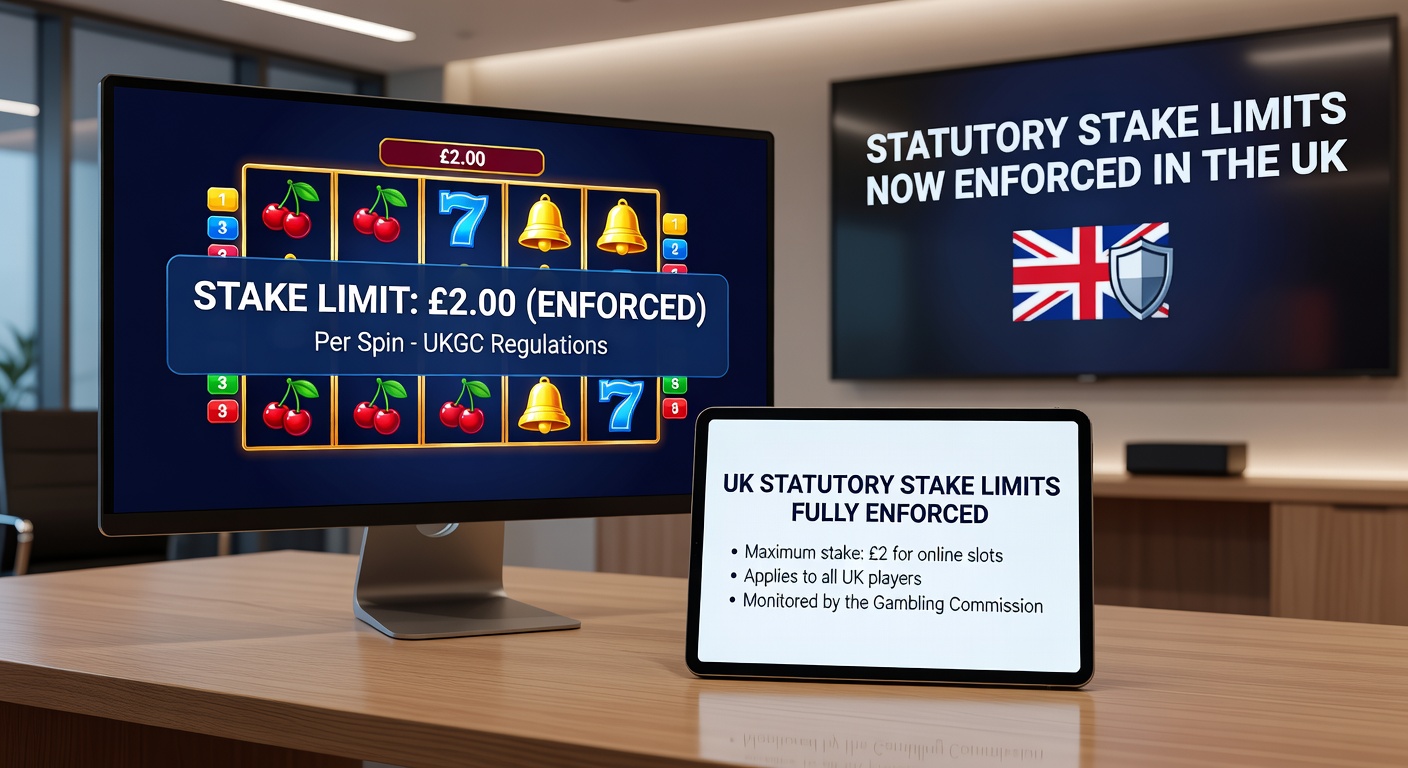
Now, with Curaçao licenses offering minimal player protections—like no requirement for anti-money laundering checks—these sites thrive, even as the UK tightens rules on its own operators through 2026 reforms such as stake limits and bonus restrictions.
Devastating Impacts: From Fraud to Tragedy
The fallout hits hard, with reports of widespread fraud—stolen identities used for bonuses, rigged payouts on big wins, and chargebacks ignored—leading to financial ruin for countless players; the investigation cites bank data showing millions in disputed transactions tied to these sites, while Gambling Commission logs brim with complaints that fall flat because offshore jurisdiction shields the operators from UK courts.
More chilling, at least one suicide links directly to the network, where a self-excluded gambler, enticed back by Rolletto's slots including Rise of Merlin, spiraled into debt before the tragic end; families affected have shared coroner's reports naming the sites, prompting calls for accountability that echo louder amid rising problem gambling stats.
Those who've studied gambling harms observe that self-excluders represent the most at-risk group—often battling addiction histories—yet these casinos dangle unrestricted access like bait, resulting in losses that data pegs at tens of millions yearly for UK victims alone; fraud layers on top, with fake verification letting criminals launder money through player accounts, complicating recovery efforts.
Political Pushback and Regulatory Hurdles
UK MPs, led by figures like Alex Ballinger and Iain Duncan Smith, have seized on the exposé, demanding tougher laws in parliamentary debates throughout April 2026; Ballinger, chair of the Gambling-Related Harm All-Party Parliamentary Group, argues for expanded blocking powers and international cooperation, while Duncan Smith blasts the current framework as "a sieve letting predators through."
Yet the Gambling Commission grapples with roadblocks, even after 2025 enhancements like site-blocking mandates; technical whack-a-mole sees new domains pop up hourly—Mirrors of MyStake and Goldenbet evade filters—while payment providers hesitate to cut ties without ironclad proof, leaving enforcement reactive rather than preventive.
So, experts tracking the Commission's quarterly reports note a 30% uptick in unlicensed site complaints since reforms kicked in, but blocks lag at under 50% success, highlighting where the rubber meets the road in cross-border gambling wars.
Player Protections Under Siege
GamStop, launched to create a unified exclusion database, works flawlessly with licensed operators—over 200,000 active users as of early 2026—but crumbles against offshore invaders that simply ignore it; players report emailing support for exclusions only to get automated replies promising "consideration," followed by continued ads, turning a vital safety net into Swiss cheese.
One researcher who posed as a self-excluder found Velobet's system auto-approved deposits within minutes, no questions asked, exposing how these platforms prioritize volume over ethics; coupled with slots engineered for prolonged play—high RTP facades masking volatility bombs—the combo keeps users hooked longer, draining accounts faster.
That's where affiliates shine darkly, earning up to 50% revenue share per referred player, so they flood recovery forums with "GamStop-free" pitches, preying on frustration with the scheme's 6-month minimum terms.
Conclusion
This April 2026 investigation doesn't just spotlight a rogue network; it forces a reckoning for UK gambling policy, as 2.3 million monthly incursions signal systemic vulnerabilities that self-exclusion alone can't patch; with MPs rallying for law upgrades and the Commission pushing tech upgrades like AI-driven domain hunting, the path forward hinges on closing offshore loopholes before more lives unravel.
Turns out, while reforms like stake limits curb licensed slots, the real battle rages beyond borders, where Curaçao-licensed giants like those tied to Santeda and Upgaming keep the slots spinning unchecked; observers await whether enhanced international pacts or payment chokepoints will finally stem the tide, protecting those GamStop users who've already raised the white flag on gambling.