Mapping Activation Patterns Across Mobile Demo Platforms for Cumulative Reward Structures
Morgan Hughes · Aug 19, 2026
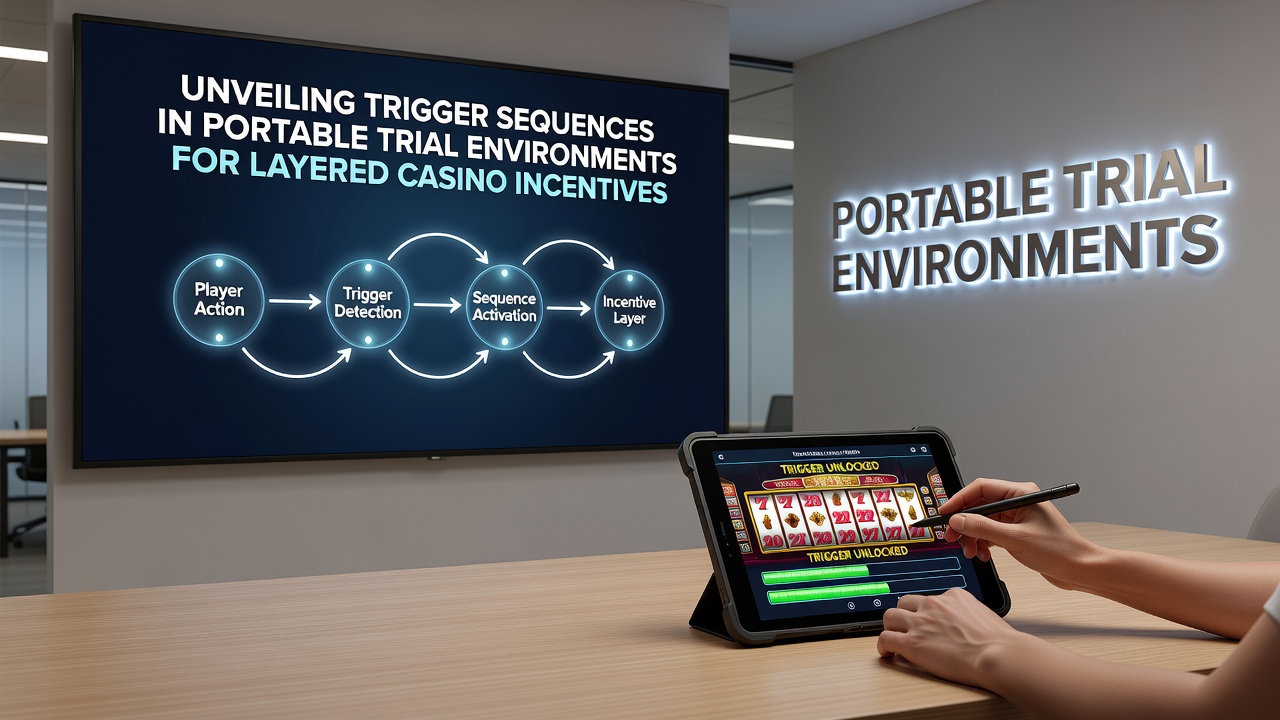
Mapping Activation Patterns Across Mobile Demo Platforms for Cumulative Reward Structures
Digital gaming platforms have developed portable trial environments that allow users to test game mechanics without financial commitment, and these setups often reveal specific sequences that activate bonus features in slot titles and table games alike. Researchers at institutions such as the University of Nevada Reno have documented how random number generators determine symbol alignments that unlock free spins or multiplier rounds, with data from the Nevada Gaming Control Board showing consistent patterns across regulated operators in 2025.
Portable environments function through downloadable applications or browser-based interfaces that mirror full versions yet operate on reduced stakes or virtual credits. Observers note that these trials expose the precise combinations required to initiate layered incentives, including welcome packages combined with ongoing loyalty multipliers and deposit match offers. Studies from the Australian Institute of Criminology indicate that players frequently experiment with different bet sizes in demos to identify trigger thresholds before transitioning to real-money sessions.
Core Mechanics of Sequence Triggers
Trigger sequences typically rely on scattered wild symbols or specific reel alignments that must occur within designated paylines, and portable trials permit repeated attempts to observe these events without depleting funds. Data collected by the European Gaming and Betting Association reveals that certain mechanics, such as cascading reels or cluster pays, produce activation rates documented at intervals between 1 in 150 and 1 in 300 spins depending on volatility settings. Those who study these patterns often record outcomes across multiple sessions to map probability distributions accurately.
Layered casino incentives build upon these triggers by stacking initial deposit bonuses with subsequent free spin allocations and cashback percentages, creating compounded value when users advance from trial play. In August 2026 several North American jurisdictions began requiring clearer disclosure of trigger probabilities within demo interfaces, following recommendations from regulatory bodies in Ontario and New Jersey that emphasize transparency for consumer protection.
Integration of Mobile Trial Data with Incentive Layers
Mobile applications hosting trial modes collect anonymized session data that operators use to refine bonus structures, yet these same environments provide users with insights into how base game triggers interact with promotional overlays. Reports from the Canadian Centre for Gaming Research highlight cases where players identified optimal entry points for stacked rewards by analyzing demo logs, leading to more informed decisions when real deposits occur. What's interesting is the way certain games display near-miss animations in trials that mirror live versions, allowing observation of near-trigger states without actual activation.

Portable trial environments also incorporate tutorial overlays that explain symbol hierarchies and bonus round entry conditions, and these guides frequently reference statistical models verified through independent testing laboratories. Figures from the International Association of Gaming Regulators show that compliance audits in multiple regions during 2026 confirmed alignment between demo RTP values and live game performance, reducing discrepancies that previously confused participants. People who've examined these systems note that mobile interfaces sometimes compress animation sequences, which can make trigger identification slightly faster than on desktop platforms.
Regional Regulatory Developments and Data Transparency
Authorities in Singapore and South Korea have introduced guidelines requiring operators to publish trigger frequency tables within trial applications, a move that builds on earlier frameworks from the Nevada Gaming Control Board. Such measures aim to standardize information presentation so users can compare activation rates across different titles before committing to layered incentive programs. Academic papers published by the University of Sydney's Gambling Research Unit demonstrate that transparent access to sequence data correlates with extended session times in controlled studies, although overall expenditure patterns remain consistent with pre-trial behaviors.
Operators integrate these trial insights into broader marketing strategies by offering time-limited promotions that activate only after specific demo milestones are reached, such as completing a set number of spins or achieving a particular win threshold. Evidence from industry reports compiled by the Asian Gaming Association suggests this approach maintains engagement while complying with regional advertising standards that prohibit misleading claims about bonus accessibility.
Conclusion
Portable trial environments continue to serve as testing grounds where trigger sequences become observable through repeated play, and their connection to layered casino incentives rests on verifiable mechanics documented by regulatory agencies and research institutions worldwide. As jurisdictions refine disclosure requirements through 2026, the alignment between demo data and live performance supports informed participation across mobile platforms.