Mapping Reward Layering Techniques in Cluster Pay Formats Through No-Cost Access on Portable Devices
Casey Walter · Jun 29, 2026
Mapping Reward Layering Techniques in Cluster Pay Formats Through No-Cost Access on Portable Devices
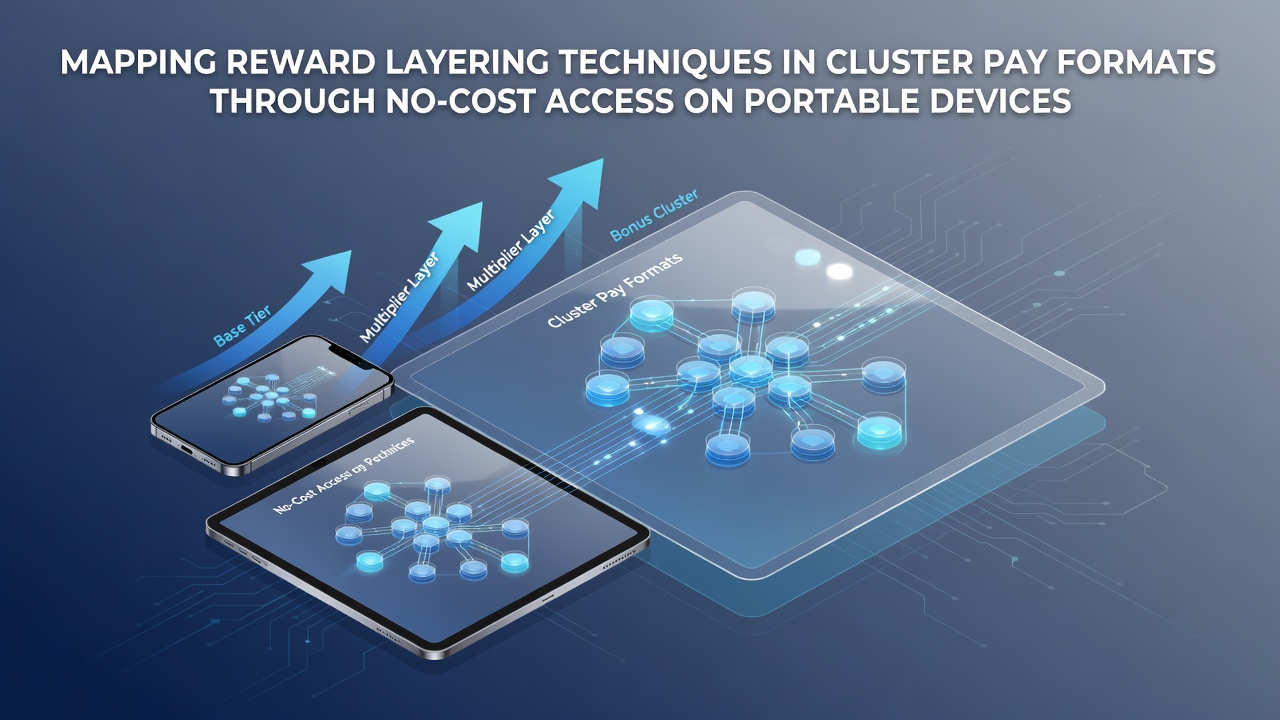
Cluster pay formats replace traditional paylines with groups of adjacent matching symbols that trigger wins when they reach a minimum size, and reward layering adds successive multipliers, cascades, and bonus accumulations on top of those initial clusters. Portable devices allow repeated access to these mechanics through no-cost demo modes, which gives users the chance to record how layers build without financial exposure. Observers note that this combination creates opportunities for systematic tracking of payout sequences across multiple sessions.
Core Elements of Cluster Pay Structures
Cluster mechanics operate on grids where symbols connect horizontally or vertically, and each new cluster formation feeds into the next stage of rewards through cascades or expansions. Layering occurs when base wins activate secondary features such as progressive multipliers or additional symbol drops that compound the total. Data from industry reports indicate that these stacked elements can produce wider payout ranges than fixed-line slots because each cascade round has independent probability calculations. Mobile screens display the full grid clearly enough for users to note exact positions where clusters form and how subsequent layers attach to them.
Access Patterns via Portable Devices
No-cost modes on tablets and smartphones let users initiate unlimited spins on cluster pay titles while preserving full visual and audio feedback identical to paid versions. Session logs captured on these devices show the timing between cluster triggers and the activation of layered bonuses such as increasing multipliers that persist across cascades. Researchers have documented that portable access encourages shorter, repeated sessions rather than long continuous play, which in turn highlights patterns in how reward layers reset after each completed spin sequence. As of June 2026, usage metrics from several regional operators reveal increased mobile demo traffic for cluster formats compared with earlier quarters.
Techniques for Recording Layer Interactions
One effective approach involves noting the starting multiplier value after each cluster, then tracking whether that value carries forward or resets during cascades. Users often mark grid coordinates where new symbols land and whether those positions extend existing clusters or create separate ones that feed additional layers. Another method records the total number of cascade steps before a spin concludes, because longer chains tend to accumulate higher combined multipliers. Portable device interfaces support screenshot capture and note-taking apps that keep these observations organized without interrupting gameplay flow. A study published by the University of Nevada, Reno examined similar tracking methods in digital gaming environments and found consistent improvements in pattern recognition when sessions stayed under fifteen minutes.
Comparative Analysis Across Titles
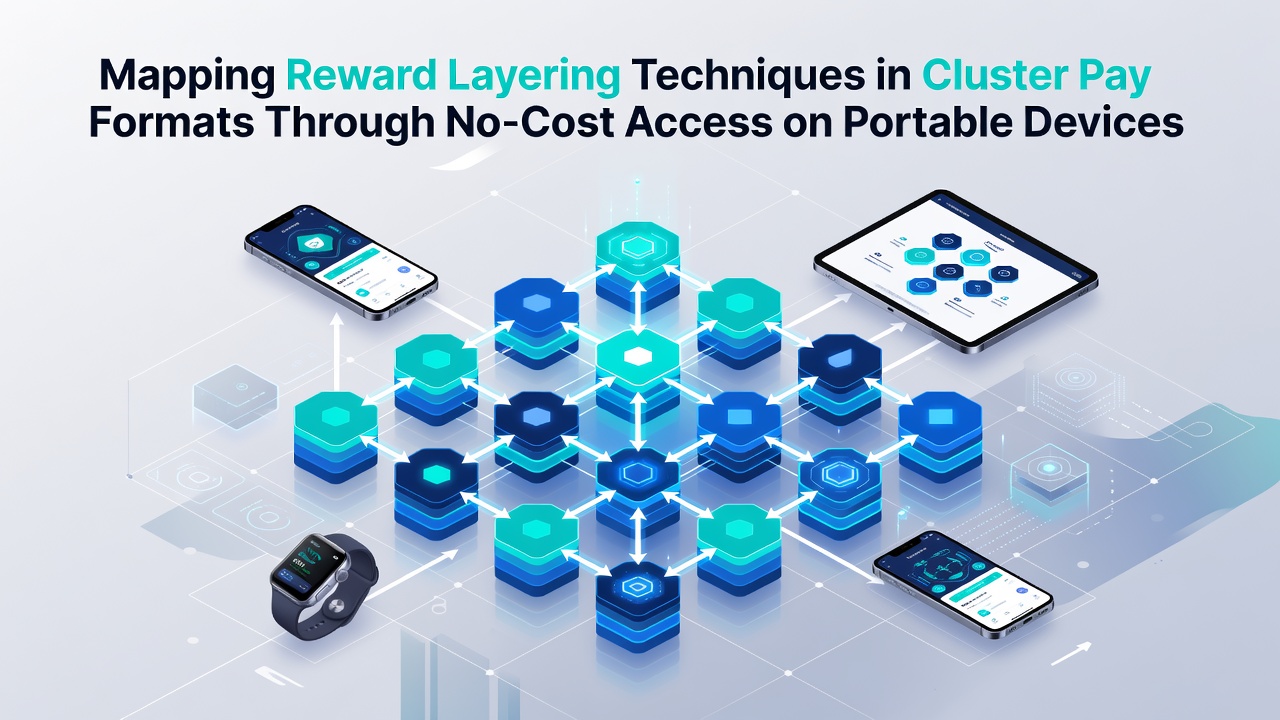
Different cluster pay releases apply layering rules at varying rates, with some titles introducing multipliers only after the third cascade while others attach them immediately after the first cluster. Mapping these differences through free mobile trials reveals which formats favor early-layer accumulation versus late-session spikes. External data from the New Jersey Division of Gaming Enforcement shows that titles with frequent early multipliers maintain steadier engagement curves across demo users. Observers note that comparing three or four titles side by side on the same device helps isolate which layering rules produce the most predictable sequences.
Grid Size and Symbol Density Effects
Larger grids increase the number of possible cluster locations, which in turn raises the frequency of layered rewards once cascades begin. Symbol density, defined as the proportion of high-value icons on the reels, influences how often clusters reach the size needed to unlock the next multiplier tier. Mobile demos allow rapid adjustment of grid views through zoom functions, making it easier to count symbols at the edges where clusters often originate. Those who have examined multiple sessions report that grids with higher symbol variety tend to produce shorter but more numerous layering events per spin.
Practical Documentation Methods
Spreadsheet templates designed for mobile use can log cluster size, cascade count, and final multiplier in separate columns, creating searchable records after dozens of spins. Color-coding entries by layer depth helps visualize which combinations appear most often. Some users export these logs to desktop software for statistical review, while others keep everything on-device for immediate reference during follow-up sessions. These records remain entirely separate from any real-money activity because they derive exclusively from no-cost modes.
Conclusion
Mapping reward layering in cluster pay formats through free mobile access supplies structured information about how multipliers and cascades interact across different titles. The combination of unlimited demo spins, clear grid visibility, and portable session tracking supports consistent documentation without external variables. Regional regulatory reports and academic analyses continue to supply supporting context for the observed patterns, while June 2026 usage figures indicate sustained interest in these accessible exploration methods.