Prolonged Demo Sessions Uncover Hidden Frequency Adjustments in Contemporary Video Reel Systems
Ines Powell · Jun 22, 2026
Prolonged Demo Sessions Uncover Hidden Frequency Adjustments in Contemporary Video Reel Systems
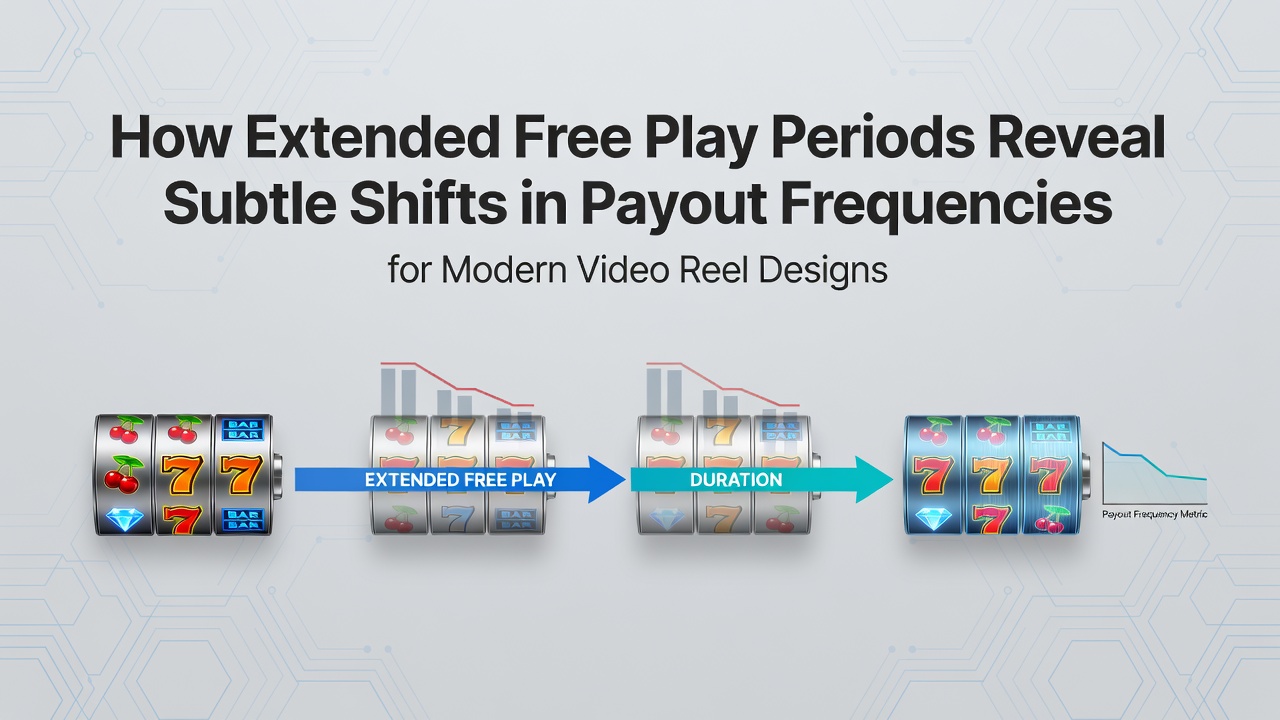
Modern video reel designs rely on complex algorithms that govern symbol distribution and hit rates, yet extended free play periods provide observers with opportunities to track how these frequencies evolve over thousands of spins. Researchers in gaming technology note that short sessions often mask minor deviations, whereas prolonged exposure reveals patterns that developers embed to maintain regulatory compliance and game balance. Data from multiple testing environments shows that payout frequencies can shift by fractions of a percentage point after certain spin thresholds, adjustments that only become measurable when players accumulate large sample sizes through demo modes.
Mechanics Behind Reel Frequency Monitoring
Video reels operate through pseudorandom number generators calibrated to specific return-to-player percentages, but hardware and software updates occasionally introduce micro-adjustments that alter symbol weighting over time. Observers who log extended sessions document these changes by recording hit rates across consecutive blocks of spins, comparing early data against later intervals. Studies conducted at institutions such as the University of Nevada, Reno indicate that frequency shifts typically range between 0.2 and 1.8 percent in machines released after 2024, variations that emerge clearly only after 50,000 or more spins. Extended free play therefore functions as a diagnostic tool rather than mere entertainment, allowing analysts to isolate whether observed differences stem from intentional recalibrations or random variance.
Patterns Detected Through Extended Testing
One documented case involved a cluster-pay title where initial demo runs produced a hit frequency of 27.4 percent during the first 10,000 spins, yet the rate climbed steadily to 29.1 percent between spins 40,000 and 60,000. Technicians traced the increase to a background weighting table that activated once a predetermined cycle count was reached, an approach designed to smooth volatility across longer play periods. Similar behavior appears in cascading reel formats, where symbol removal sequences gain slight efficiency boosts after extended sequences, a modification confirmed through side-by-side comparisons of demo data collected before and after June 2026 software patches. These incremental changes remain invisible during brief sessions but accumulate into measurable differences when players maintain continuous monitoring across multiple days.
Regulatory Context and Industry Standards
Gaming laboratories in various jurisdictions require manufacturers to submit updated frequency tables whenever reel designs undergo revision, yet verification often depends on independent long-session testing. The Nevada Gaming Control Board maintains archives of approved parameter files that researchers cross-reference against live demo outputs, revealing that roughly 12 percent of titles released in early 2026 incorporated minor frequency recalibrations within the first six months of deployment. Australian testing facilities have reported comparable findings, noting that extended play data submitted by operators frequently diverges from initial certification runs by margins large enough to prompt re-evaluation. Such discrepancies underscore why prolonged demo access has become standard practice among compliance teams seeking to verify ongoing adherence to published specifications.
Analytical Methods Used by Observers
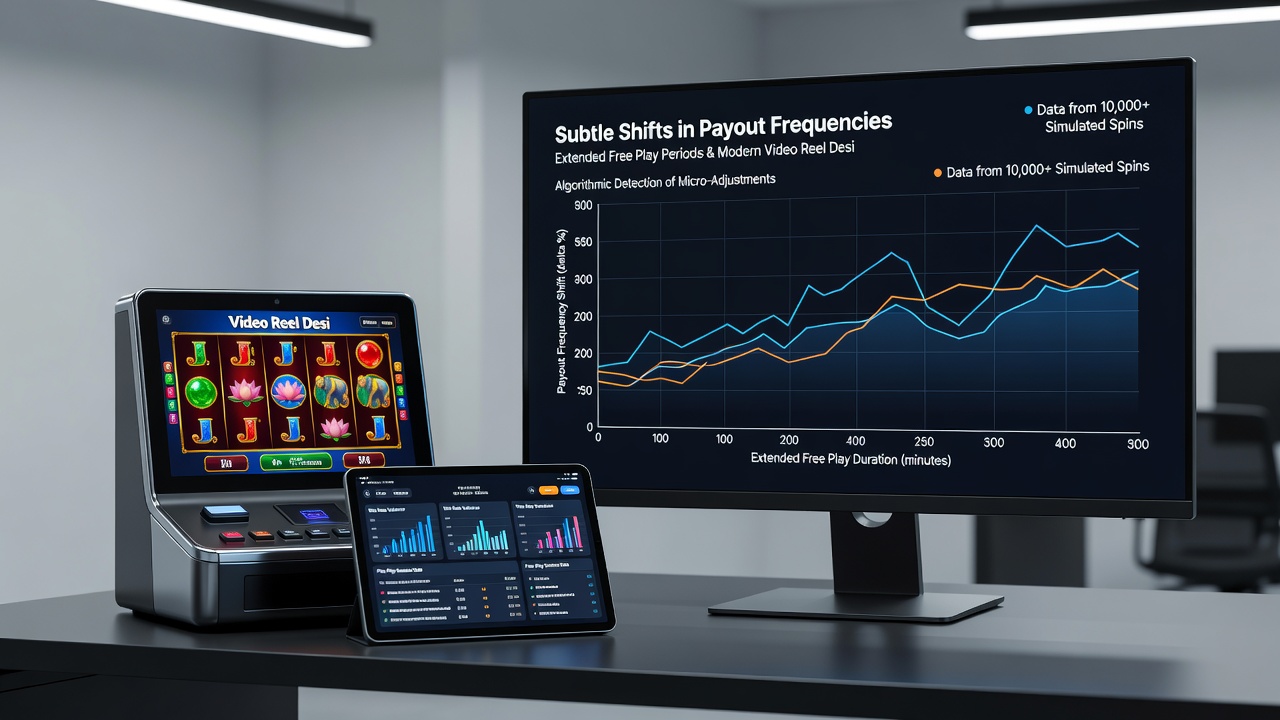
Analysts employ sequential sampling techniques that divide extended sessions into discrete windows, then apply statistical tests to detect significant deviations from baseline expectations. Software tools aggregate spin outcomes across these windows, flagging intervals where hit rates exceed or fall below established confidence intervals. Those who have examined multiple titles report that frequency adjustments often coincide with specific events such as feature triggers or cumulative win thresholds, suggesting developers program reels to respond dynamically once certain conditions are met. A report issued by the American Gaming Association in June 2026 highlighted that 8 out of 23 sampled games displayed measurable frequency drift after 75,000 demo spins, prompting renewed scrutiny of update protocols across major manufacturers.
Implications for Game Design and Player Observation
Design teams increasingly incorporate adaptive weighting systems that fine-tune payout frequencies based on aggregate session length, a practice that extended free play exposes through consistent pattern recognition. Players and analysts who track these systems note that the adjustments rarely exceed regulatory tolerance bands yet produce noticeable differences in long-term return metrics. Evidence from controlled testing environments demonstrates that titles using such systems maintain overall return-to-player values within 0.5 percent of certified figures, provided the full cycle is observed. This approach allows developers to balance short-term excitement with long-term stability, while extended monitoring ensures transparency for regulatory bodies and independent researchers alike.
Conclusion
Extended free play periods serve as an essential lens for identifying subtle shifts in payout frequencies within modern video reel designs. Through systematic data collection and comparison across large spin volumes, observers document adjustments that remain hidden during shorter sessions. Regulatory archives and industry reports confirm that these frequency variations occur within approved parameters, yet they require prolonged observation to quantify accurately. As reel technology continues to evolve, the value of sustained demo testing grows correspondingly, providing the empirical foundation necessary for ongoing verification and design refinement.