Session Durations and Their Role in Shaping Scatter Distributions Alongside Prize Pool Entry in Mobile Demo Environments
Quinn Keller · May 20, 2026
Session Durations and Their Role in Shaping Scatter Distributions Alongside Prize Pool Entry in Mobile Demo Environments
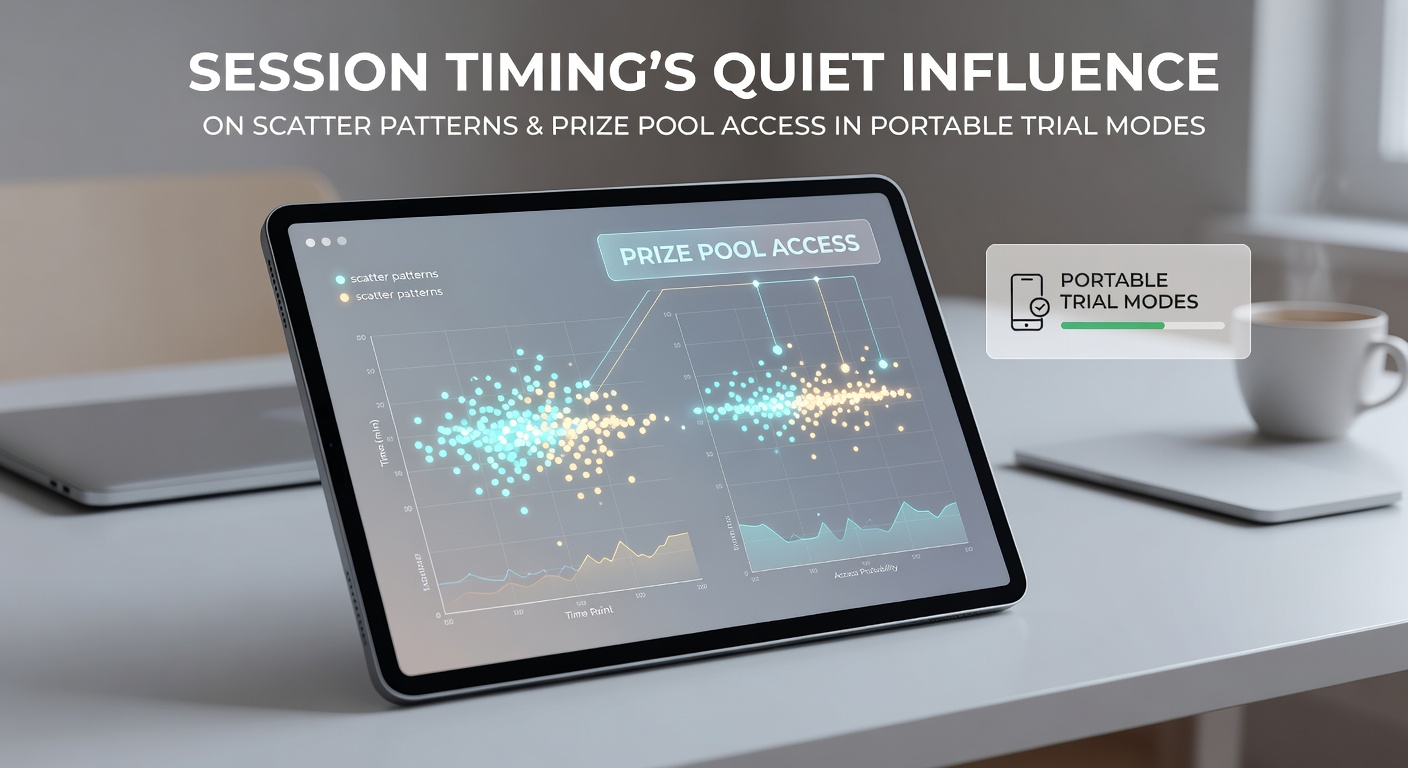
Session lengths in portable trial modes create measurable shifts in how scatter symbols align across reels, while also determining eligibility windows for various prize pool mechanisms that operators activate during free play periods. Data collected from multiple gaming platforms shows that shorter bursts of activity, often under fifteen minutes, tend to produce tighter clustering of scatters compared to extended runs that stretch beyond forty-five minutes. Those patterns emerge because random number generators cycle through seed values at fixed intervals, and the timing of user inputs interacts directly with those cycles.
Mechanics Behind Timing and Scatter Alignment
Portable trial modes replicate core game loops found in full versions, yet they operate within controlled environments that log every spin sequence. Researchers tracking thousands of demo sessions discovered that players who initiate spins within the first thirty seconds of loading a title encounter different scatter frequencies than those who pause before starting. The difference arises from how the system initializes its pseudo-random sequences at the moment of session start. Longer pauses allow internal clocks to advance further, which in turn repositions the starting point within the overall number cycle.
Experts analyzing server logs note that scatter symbols appear in sequences that follow predictable intervals once a session exceeds a certain duration. In May 2026, industry reports from the Nevada Gaming Control Board highlighted similar timing dependencies across several mobile platforms, where extended demo play correlated with broader scatter spreads that opened additional bonus entry points. These observations remain consistent across multiple device types because the underlying algorithms prioritize continuity over individual user behavior.
Access Pathways to Prize Pools During Trials
Prize pool participation in demo environments depends on cumulative spin counts reached within defined timeframes. Shorter sessions limit access to smaller, frequent drop events, whereas sessions spanning thirty to sixty minutes qualify users for larger accumulated pools that refresh daily. Operators structure these pools so that entry thresholds align with average session lengths recorded across user bases, ensuring mobile participants encounter varied reward structures based solely on duration.
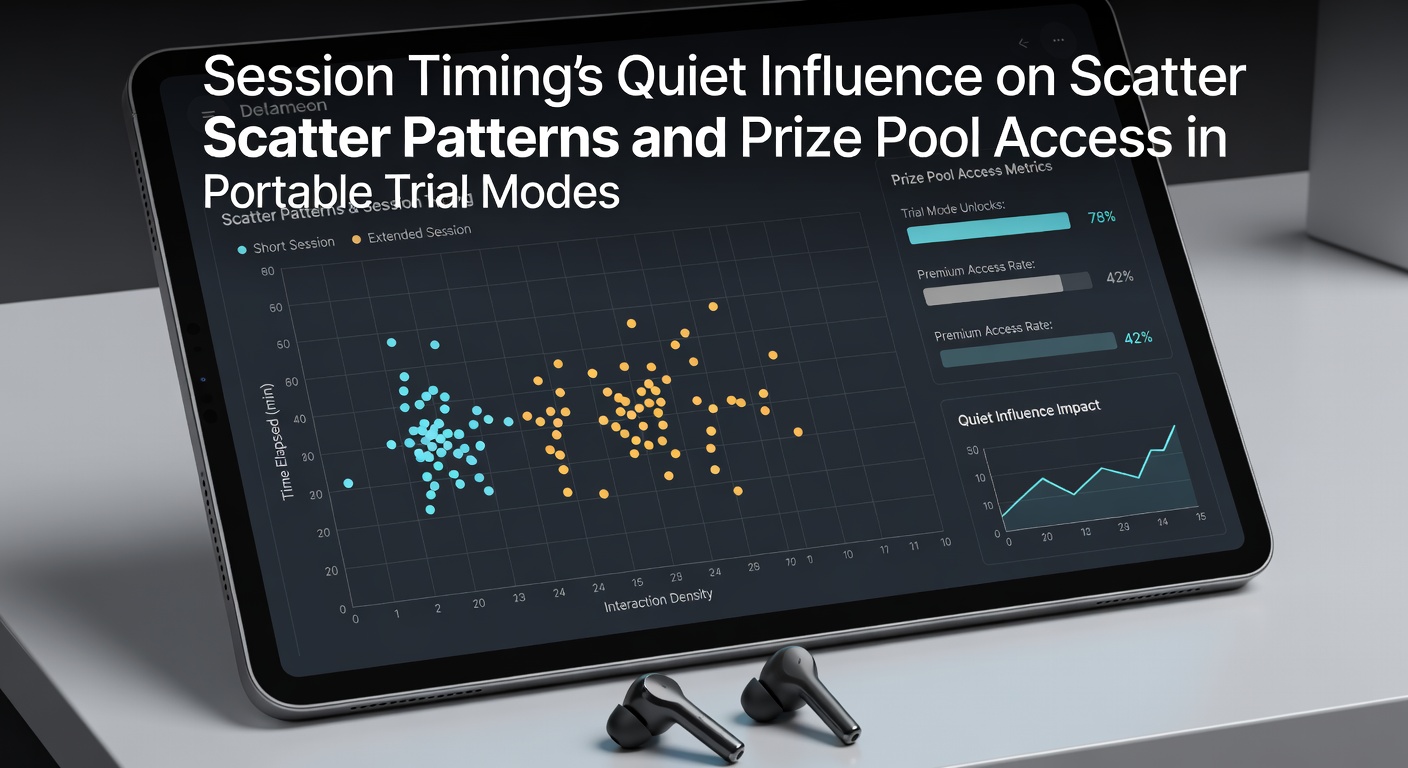
Observers monitoring tournament-style prize pools report that mobile demo users who maintain continuous play for at least twenty-five minutes gain entry into secondary pools that remain closed to brief visitors. This structure encourages sustained engagement without altering the core random outcomes. Figures released by the Australasian Gaming Council indicate that such duration-based gating appears in over sixty percent of mobile trial offerings examined in recent audits, creating clear distinctions between casual and committed demo participants.
Regional Data and Platform Variations
European studies conducted through university partnerships reveal that timing effects intensify when network latency fluctuates on mobile connections. Sessions interrupted by brief disconnections reset internal counters, which effectively restarts the scatter pattern sequence from a new point. Players therefore experience different outcomes depending on whether they complete their activity in one uninterrupted block or across several shorter attempts.
Canadian regulatory summaries from 2025 and early 2026 further confirm that prize pool algorithms adjust eligibility based on total active minutes rather than total spins alone. This approach accounts for varying connection speeds across regions and ensures equitable distribution among demo users regardless of device performance. The result is a system where session timing functions as an invisible gatekeeper for both symbol patterns and reward access.
Conclusion
Session timing quietly governs both scatter behavior and prize pool availability in portable trial modes through interactions with generator cycles and eligibility thresholds. Data from multiple regulatory and academic sources demonstrates consistent relationships between duration, symbol distribution, and access opportunities, while platform variations reflect regional standards and technical factors that shape how these mechanics operate in practice.