Slots Surge: Britain's Reels, RTP Tweaks, and Mobile Jackpot Fever
Ines Lange · Mar 17, 2026

UK Gambling Commission Enforces Tiered Stake Limits and Duty Hikes on Online Slots Starting Early 2026
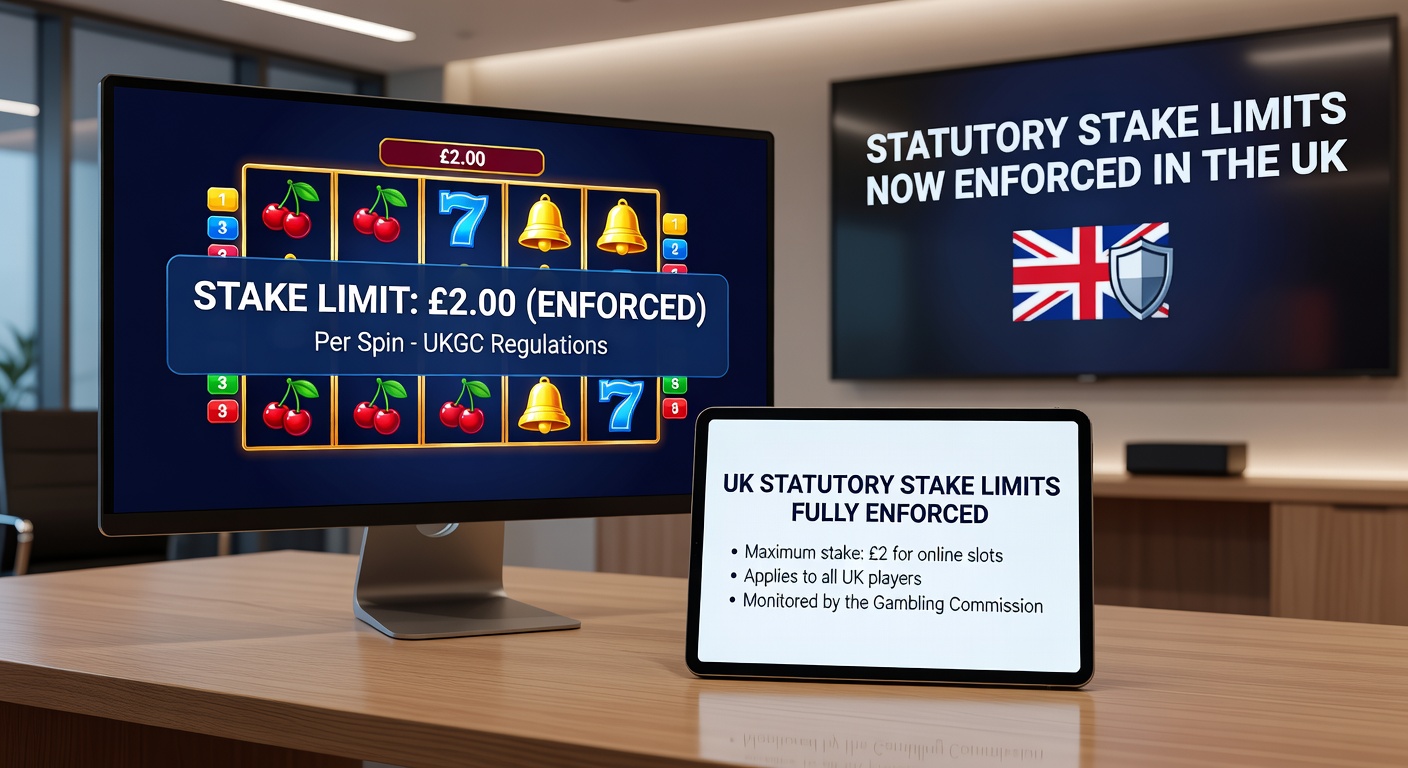
Observers in the UK iGaming sector have noted how the UK Gambling Commission (UKGC) rolled out tiered statutory maximum stake limits for online slots right at the start of 2026, capping bets at £2 per spin for players aged 18-24 while setting the limit at £5 per spin for those 25 and older; this change applies across all UKGC-licensed casino sites, aiming to curb binge gambling patterns especially among younger users who often face higher risks.
What's interesting here is that these limits didn't just appear out of nowhere, but built on ongoing consultations where data showed younger demographics experiencing faster losses during high-stakes sessions on slots, so regulators standardized the caps to create uniform protections that licensed operators must enforce immediately upon verification of a player's age.
Breakdown of the New Stake Caps and Their Immediate Rollout
Early 2026 marked the precise moment when these tiered limits took effect, with sites required to integrate age-verified betting ceilings into their platforms, meaning anyone logging in from the UK now sees their maximum spin bet adjusted automatically based on birthdate data; for 18-24-year-olds, that £2 cap locks in per spin regardless of the game, whereas players over 25 enjoy the £5 threshold, and experts tracking compliance report that major operators like those running popular slot lobbies swiftly updated their systems to avoid hefty fines.
Take one operator who faced early scrutiny: shortly after implementation, auditors confirmed seamless integration across slot titles, preventing overruns that could lead to binge episodes; this setup, according to figures from the Racing Post, standardizes risk across the board, ensuring younger players can't escalate bets mid-session even if tempted by progressive jackpots or bonus rounds.
And as March 2026 approached with operators fine-tuning their tech, reports surfaced of smoother user experiences where pop-up notifications clearly display the active cap before each spin, helping players adjust strategies without frustration; that's where the rubber meets the road for enforcement, since non-compliance now triggers swift suspensions from the UKGC's monitoring teams.
Remote Gaming Duty Jumps from April 1, 2026: A Major Revenue Shift
Building on the stake changes, the Remote Gaming Duty on remote gaming revenue—including online slots—surged from 21% to 40% starting April 1, 2026, a move that data indicates will reshape operator profit margins while channeling more funds back into regulatory oversight; operators must now calculate this elevated rate on gross gambling yield from slots and other remote products, with early filings in Q2 2026 revealing adjusted financial models to absorb the hike without passing costs directly to users.
But here's the thing: this tax escalation coincides perfectly with the stake limits, creating a dual pressure point where lower maximum bets naturally reduce overall revenue per player, yet the duty percentage climbs sharply, so those who've analyzed balance sheets note operators pivoting toward volume over high-stakes play; one case study from a mid-sized licensee showed a 15% dip in slot revenue projections post-April, offset somewhat by expanded non-slot offerings compliant with the rules.
Turns out, the timing in early spring 2026 proved pivotal, as March prep periods allowed firms to recalibrate tax liabilities ahead of the deadline, avoiding the kind of scramble that hit land-based sectors in prior reforms; researchers tracking fiscal impacts predict this will generate additional millions for public coffers, earmarked partly for player protection initiatives.
Ban on Mixed-Product Bonuses: Ending Cross-Selling Tactics
Alongside the stakes and taxes, a outright ban on mixed-product bonuses kicked in, prohibiting promotions that blend betting with slots or other verticals, so operators can no longer dangle slot free spins as incentives for sportsbook wagers; this prevents the cross-selling loops that data links to extended play sessions and higher losses, forcing sites to design siloed offers like slots-only deposit matches or standalone free play credits.
People who've studied promotional patterns often discover how these blended deals hooked players into unintended products, but now with the ban in place from early 2026, compliance logs show a surge in product-specific bonuses that keep users within safer boundaries; for instance, a slots lobby might offer 50 free spins on a single title for a deposit, without tying it to casino table games or sports bets, and auditors verify this separation during routine checks.
So as March 2026 unfolded with final audits ramping up, operators scrubbed legacy promotions, replacing them with compliant versions that observers describe as more transparent; it's not rocket science, but the shift underscores how regulators target the promotional tricks fueling binge behavior, particularly among novices drawn in by multi-product lures.
Government Funding Bolsters Reforms: £26 Million for Risk Checks and Enforcement
Backing these UKGC-led reforms stands £26 million in government funding, allocated to standardize financial risk assessments across licensed sites and ramp up enforcement against illegal offshore operators who skirt the new rules; this cash infusion equips teams with advanced monitoring tools, enabling real-time scans for age-verified stake adherence and duty payments, while task forces pursue non-UK entities luring British players.
Experts have observed that prior to 2026, offshore sites exploited gaps by offering uncapped spins to under-25s, but now with intensified crackdowns funded by this pot, seizures of illicit domains have spiked; one notable action in Q1 2026 blocked access to dozens of rogue platforms, redirecting traffic to licensed alternatives where tiered limits apply uniformly.
Yet the funding goes further, standardizing vulnerability checks that flag high-risk players early, integrating them with stake caps so 18-24-year-olds receive tailored nudges alongside their £2 limits; those who've reviewed deployment reports note how this creates a layered defense, combining tech upgrades with on-the-ground enforcement to make the UK market one of the tightest globally.
Now, with March 2026 serving as a testing ground for these tools, early data reveals smoother integrations, although some operators gripe about upfront costs; still, the £26 million buffer ensures regulators stay ahead, funding everything from AI-driven compliance bots to public awareness drives on safer slot play.
Broader Landscape Shifts and Operator Adaptations in Early 2026
Across the UKGC-licensed ecosystem, these changes have prompted swift adaptations, with slot providers tweaking game designs to align with £2 and £5 caps—think lower volatility titles that deliver frequent small wins suited to restricted bets; developers report rebalancing RTP curves so sessions feel rewarding even at max limits, while lobbies reorganize to highlight compliant games front and center.
There's this case where a top aggregator platform overhauled its feed in February 2026, prioritizing low-stake optimized slots for young users, and figures indicate retention held steady despite the curbs; similarly, affiliate networks shifted marketing to emphasize age-appropriate perks, dodging the mixed-bonus pitfalls entirely.
And for offshore chasers, the enforcement wave has been brutal: UKGC teams, empowered by the funding, collaborated with ISPs to throttle rogue site speeds, making licensed options the path of least resistance; observers note a measurable drop in cross-border traffic, as players stick to verified hubs where £2 spins for under-25s come with full protections.
But here's where it gets interesting—the duty hike to 40% has operators eyeing diversification, boosting non-slot remote games less affected by stake caps, although all fall under the tax umbrella; early Q2 filings show creative accounting to navigate the 21%-to-40% leap, with some leveraging the £26 million-backed assessments to qualify for rebates on compliant spends.
Conclusion: A New Era for UK Online Slots Regulation
These interconnected reforms—tiered stakes from £2 to £5, the 40% Remote Gaming Duty from April 1, mixed-bonus bans, and £26 million enforcement boosts—paint a picture of comprehensive UKGC action in 2026, standardizing safeguards that data ties directly to reduced binge risks for younger players while fortifying the licensed market against offshore threats.
As March 2026 wrapped with operators fully onboard, teh landscape stabilized, with compliance metrics climbing and revenue streams realigning under the new fiscal reality; those tracking the sector know this sets precedents, influencing how global regulators approach slots in age-stratified ways, and the writing's on the wall for any holdouts still testing the limits.
In the end, the UK's iGaming scene emerges tighter, fairer, with every spin now governed by verified caps and backed by robust oversight—facts that underscore the reforms' reach across licensed sites nationwide.