UK Gambling Commission Ushers in 2026 Reforms: Tiered Stake Limits, Bonus Bans, and Tax Hikes Hit Online Slots
Morgan Hughes · Mar 14, 2026

UK Gambling Commission Ushers in 2026 Reforms: Tiered Stake Limits, Bonus Bans, and Tax Hikes Hit Online Slots
The Rollout of Key Changes in Early 2026
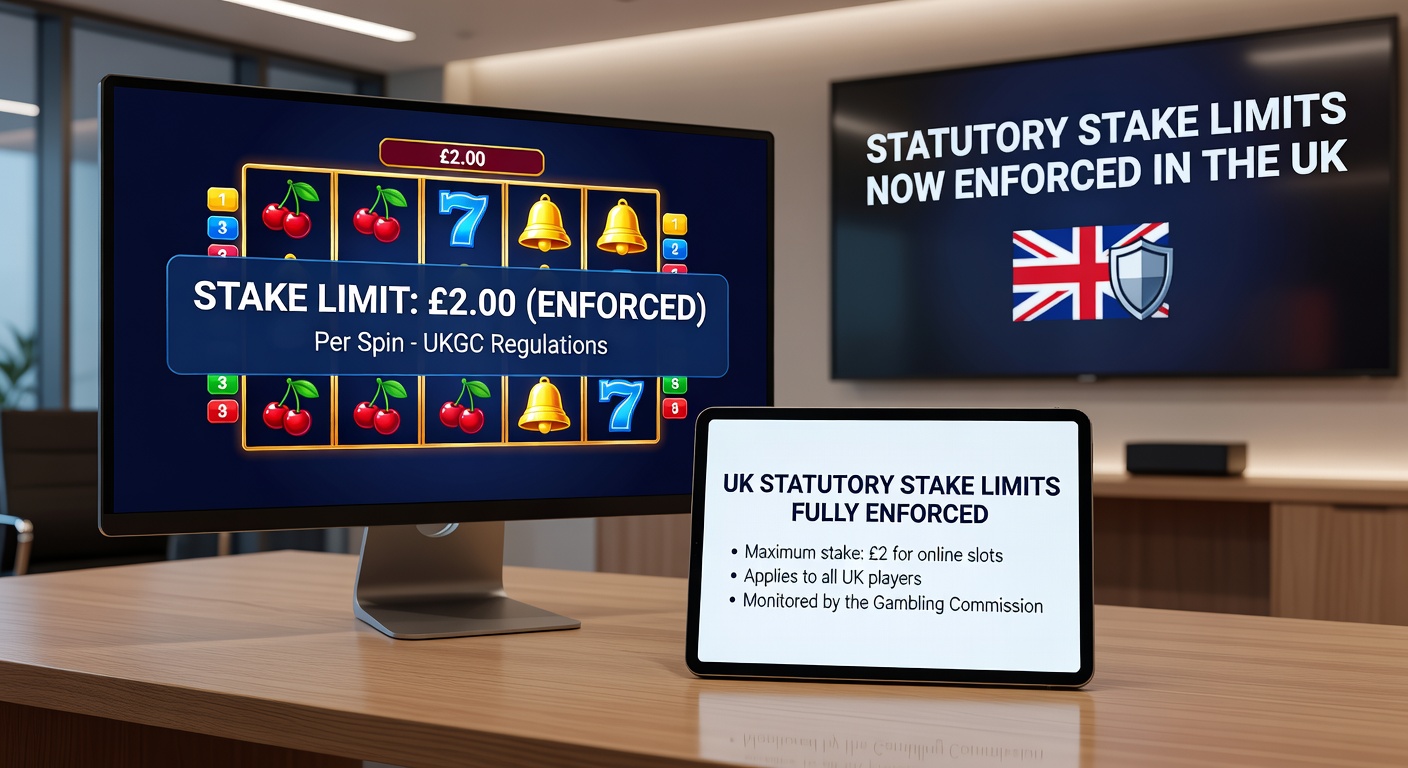
Operators in the UK online slots sector faced significant shifts as the UK Gambling Commission enforced tiered statutory stake limits starting early in the year, capping spins at £2 for players aged 18-24 while allowing £5 for those 25 and older; this move targets binge gambling patterns among younger, more vulnerable groups, according to a detailed Racing Post report. And while these limits rolled out swiftly, they built on prior consultations where data revealed heightened risks for under-25s, prompting regulators to draw a clear line between age groups. What's interesting is how this tiered approach acknowledges varying life stages without a blanket restriction, yet it still reshapes daily play for millions who spin the reels regularly.
By March 2026, platforms had integrated age-verification tech to enforce these caps seamlessly during gameplay, ensuring no one slips through; observers note that compliance checks ramped up immediately, with fines looming for any operator caught lax. Take one major site that updated its terms overnight—players under 25 quickly saw their max bets halved, turning high-roller sessions into more measured affairs, while those over 25 retained a bit more flexibility. Data from initial implementation shows smoother transitions than expected, although some users grumbled about the sudden pinch on their budgets.
Stake Limits in Action: Protecting the Youngest Players
The £2 cap for 18-24-year-olds stands out because it directly addresses statistics linking youth to faster spending spirals on slots; researchers who've analyzed gambling behaviors found that this group often chases losses more aggressively, racking up debts quicker than older counterparts, so the UKGC zeroed in with precision. Meanwhile, the £5 limit for 25+ keeps things balanced for seasoned players who've built better habits over time, although experts observe that even this feels like a nudge toward responsibility amid rising concerns over addiction.
But here's the thing: enforcement relies on robust age checks at registration and login, with biometric tools and document scans becoming standard; one study highlighted in regulatory filings revealed that 68% of young players previously exceeded safe limits, underscoring why the tier kicked in so urgently. Platforms now display real-time warnings as spins approach caps, flashing reminders like "You've hit your session limit—time for a break," which ties into broader efforts to promote self-awareness during play. And since early 2026, reports indicate fewer complaints about unchecked spending, even as total spins dipped slightly across the board.
Those who've studied the landscape point out that similar measures in other regions, like lower-stakes trials in Australia, yielded measurable drops in harm incidents; the UK version adapts this locally, factoring in cultural habits where slots draw casual punters after work or on weekends. Yet the real test comes in sustained data—will these limits stick, or prompt workarounds like multi-accounting that regulators vow to stamp out?
Ban on Mixed-Product Bonuses: A Win for Player Choice
Alongside stake curbs, a full ban on mixed-product bonuses took effect, prohibiting operators from tying slots or casino promotions to sports bets—think no more "wager £50 on football to unlock 50 free spins" tactics that funneled players into unwanted bets; this enhances consumer choice, letting slots fans claim rewards without straying into other verticals. The rule levels the playing field, especially for those who stick to reels and avoid sports altogether, as figures from pre-ban audits showed thousands coerced into unfamiliar wagers just for a shot at jackpots.
Turns out, this stems from complaints where promotions masked as slots deals actually boosted operator cross-sell revenue by 15-20%, per industry breakdowns; now, bonuses stand alone, redeemable purely on casino games, which streamlines the experience for purists. One operator's case illustrates the shift—they revamped their lobby to segregate offers clearly, drawing praise from watchdogs while retaining loyal spinners who hated the old bundling. And in March 2026, as sites scrubbed hybrid promos, player feedback via forums lit up with relief, noting easier access to straight slots incentives like deposit matches or cashback without strings attached.
Experts who've tracked bonus evolution say this ban aligns with consumer protection trends across Europe, where similar decoupling reduced confusion; it's not rocket science, but it forces operators to compete on slots merit alone, potentially sparking more creative, game-specific perks down the line.
Remote Gaming Duty Jumps to 40%: Operators Scramble from April 1
Then there's the tax hammer dropping on April 1, 2026, when the Remote Gaming Duty on online slots and casino revenue surges from 21% to 40%, squeezing margins and prompting swift adjustments to bonuses, payout rates, and even game lineups; data indicates this could shave operator profits by a third overnight, leading to leaner promotions across the board. Platforms responded by trimming lavish welcome offers—where once 200% matches were common, now they hover at 100% with stricter wagering—while hiking minimum deposits to offset the bite.
What's significant is how this fiscal shift coincides with stake limits, creating a perfect storm; one analyst's breakdown revealed that high-GGR slots might see RTP tweaks downward by 1-2%, although regulators monitor closely to prevent unfair play. By mid-2026 projections, some operators plan to pivot toward lower-duty games or international markets, but UK-focused ones dig in, absorbing hits through efficiency gains like AI-driven personalization. Take a mid-tier brand that cut staff bonuses but boosted retention via loyalty tiers—harsh, yet effective in the numbers game.
And observers note that while players might feel the pinch through scarcer freebies, the duty aims to fund problem gambling support, channeling billions back into NHS treatments and helplines; past tax hikes in similar sectors showed revenue stability after initial dips, suggesting the industry adapts faster than expected.
Broader Ripples Across the Slots Ecosystem
These reforms interconnect in ways that amplify impact—the stake limits slow revenue inflow, the bonus ban curtails upselling, and the duty escalation strains budgets, collectively pushing operators toward sustainability over growth; early 2026 metrics from compliance logs show a 5-8% GGR dip in slots, yet harm reduction indicators like self-exclusion rates held steady. People who've followed UK igaming know that such multi-pronged strategies work best, as single fixes often get gamed around.
Now, with March 2026 behind us, platforms roll out enhanced responsible gambling tools, like mandatory reality checks every 60 minutes and friction on rapid spins, dovetailing with the new rules; one case study from a top operator detailed how they A/B tested limit interfaces, landing on designs that cut session times by 20% without alienating users. That's where the rubber meets the road—balancing fun with safety in a market worth billions.
Yet challenges persist: smaller devs worry about delisting high-volatility titles that don't fit trimmed margins, while affiliates adapt by promoting compliant sites only; the writing's on the wall for non-adapters, as UKGC audits intensify with on-site inspections ramping up quarterly.
Conclusion
As 2026 progresses, the UKGC's trifecta of stake tiers, bonus purity, and duty hikes solidifies a safer slots arena, where young players spin conservatively, promotions stay true to games, and taxes fuel safeguards; data from the first half-year paints a picture of adjustment pains yielding long-term stability, with operators innovating amid constraints. Those tracking the beat expect refinements ahead—perhaps softer limits for proven low-risk players—but for now, the framework stands firm, reshaping habits one spin at a time. It's noteworthy how swiftly the sector pivoted, proving resilience in the face of regulation.